In 2021 we asked Karl a simple question: what is actually “verboten” at Klub Verboten?
Five years later the terrain has shifted. Kink has moved from damp basements into the mainstream, then been pushed back again by digital censorship and moral panic. Klub Verboten has survived a boom, a pandemic, licensing battles and a new decade. It is now running a sober members’ club in London, designing a new kink space in Berlin and still throwing some of the most intense play parties in Europe.
Karl laughs when we bring up the first interview. “It’s wild to realise that was already five, six years ago,” he says. “We thought back then we were in the middle of something and now it feels like that was just the prelude.”
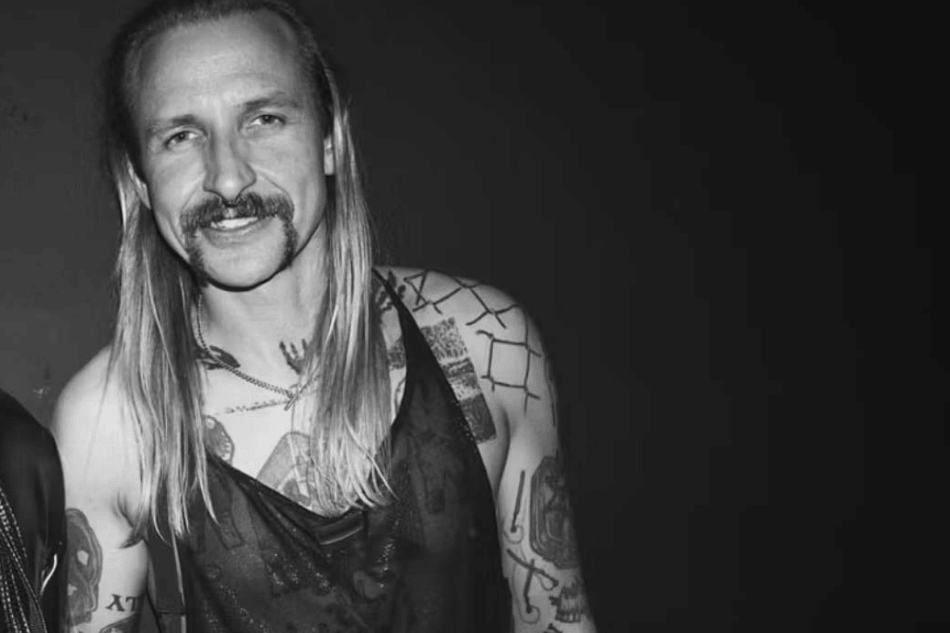
The kink boom: from basements to omnipresent kink
Karl describes the last decade as a full cycle: from underground to omnipresent and back to being pushed to the edges.
“We came from the damp basements and into the mainstream,” he says, “and now we’re dealing with the fallout.” For him, the story starts in spaces like FetLife and small, dedicated dungeons and ends, at least for a while, with boyband members selling their own dildo lines on Instagram.
The kink boom brought visibility, but also a flood of surface level aesthetics detached from practice, ethics and community. “Suddenly there’s this cultural oversupply,” Karl notes. “A lot of interesting stuff, but also a lot where you honestly ask: do we still need this?” It became possible to consume kink as a look or a weekend activity without ever engaging with the skills, responsibilities and long term relationships that had been central in grown BDSM and fetish communities.

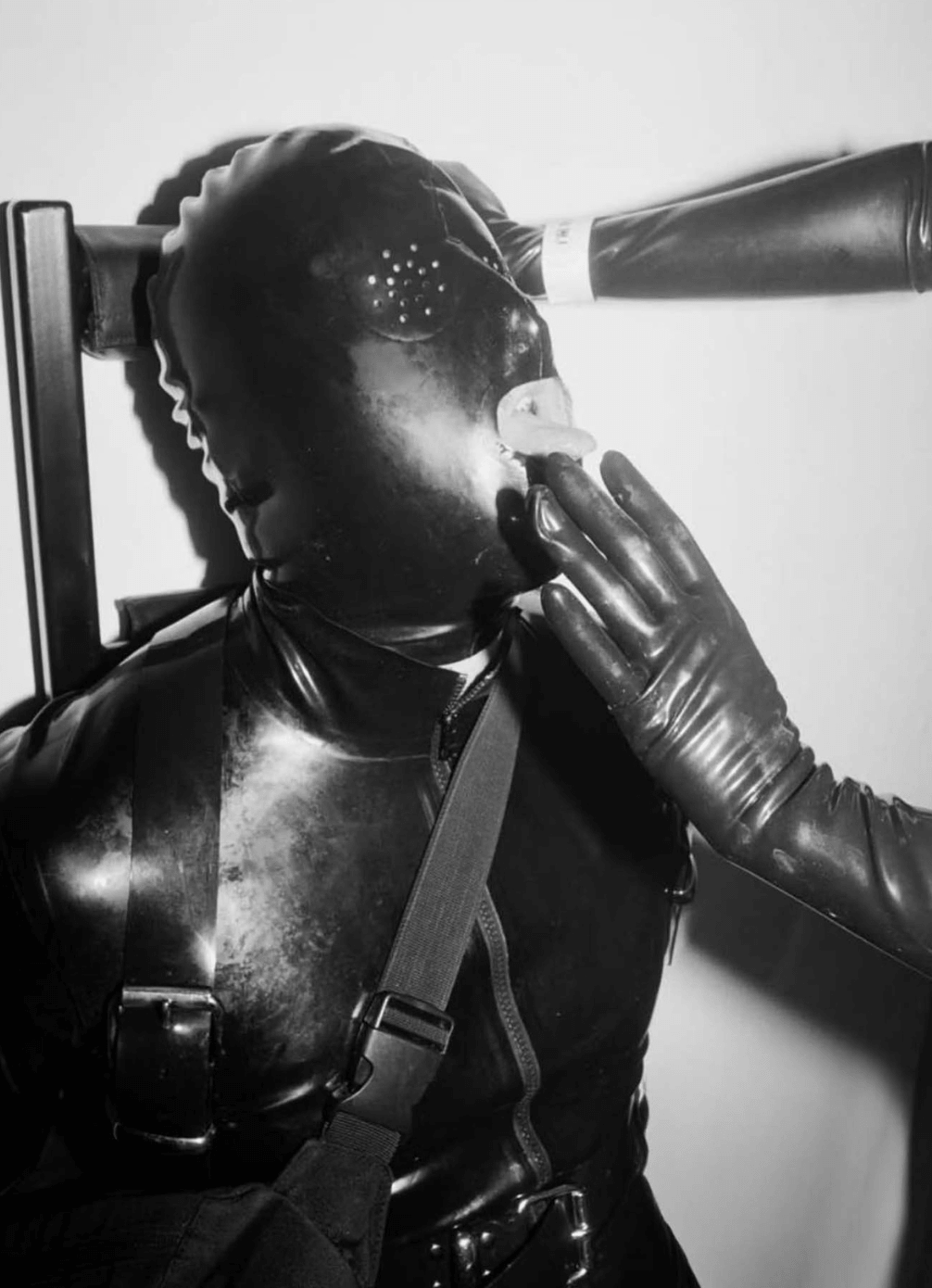
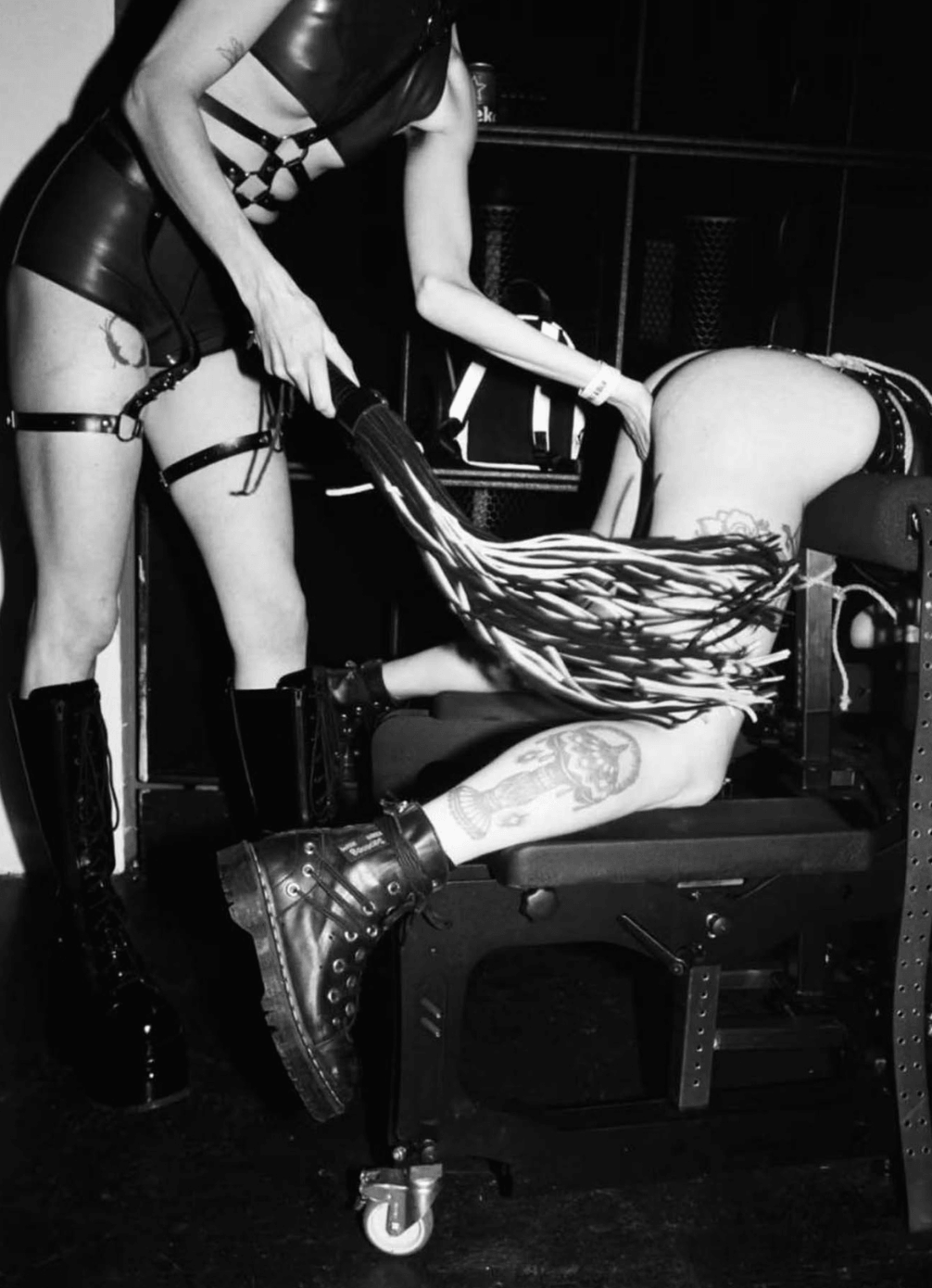
Then came the pandemic. Clubs closed, in person communities went into hibernation, and a lot of embodied knowledge simply seeped away. When the doors reopened, many of the people who had been carrying rituals, codes and culture had moved on. At the same time a huge wave of curious newcomers arrived at once.
“Normally a culture shifts slowly,” Karl says. “Some people leave, some arrive, and the new ones learn the ethos of the group over time. During Covid everyone’s internal clock reset at once. It was like a complete culture wipe out.”
The result is a kink landscape that feels louder and more visible than ever and, paradoxically, more fragile.
Safegarding. From dungeon monitors to Baywatch
One of the most concrete contributions Klub Verboten made in this time is a word that now appears on club websites and funding applications across Europe: safeguarding.
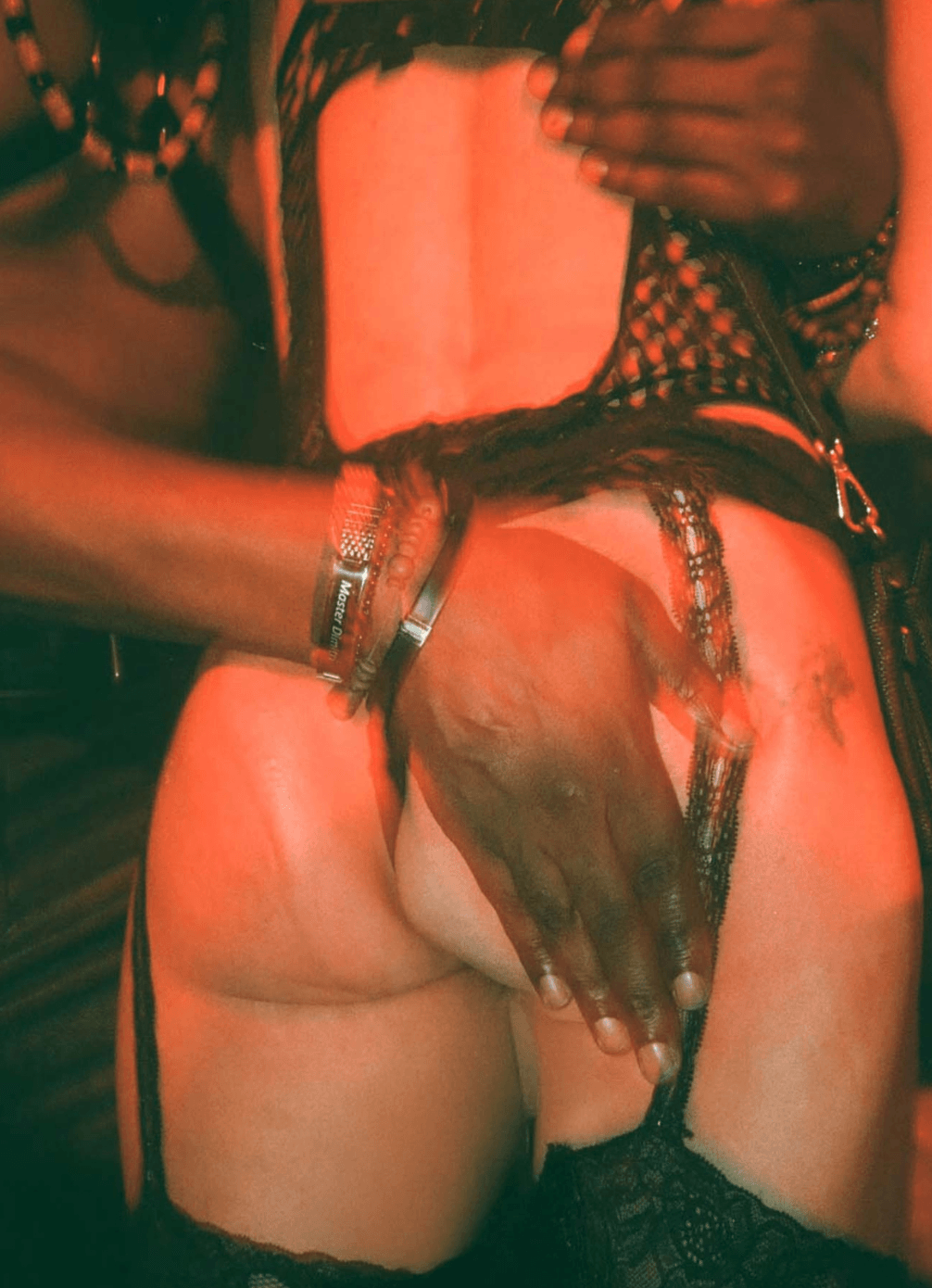
Historically, BDSM and fetish communities used “dungeon monitors”, people who quietly watched over complex, risky practices like impact play, checking that consent and safety were intact. “Those people always existed,” Karl says. “We took that idea and had to translate it into big, dark rooms, mixed skill levels and drunk people who might be doing anything from impact play to just fucking everywhere.”
For a while, the team joked about names like “Pimmelstopper 5000”, before settling on a term that police, health services and licensing authorities would actually understand. “‘Safeguarding’ was already a real word,” he explains. “The police know it, the NHS knows it. Using that term meant: we take this seriously and we want them to take us seriously too.”
The internal guideline is simple and strict. “The moment the thought comes up, ‘should I step in?’ you go,” Karl says. “It’s a Baywatch scenario. If you see someone is possibly drowning, you don’t wait for proof.”

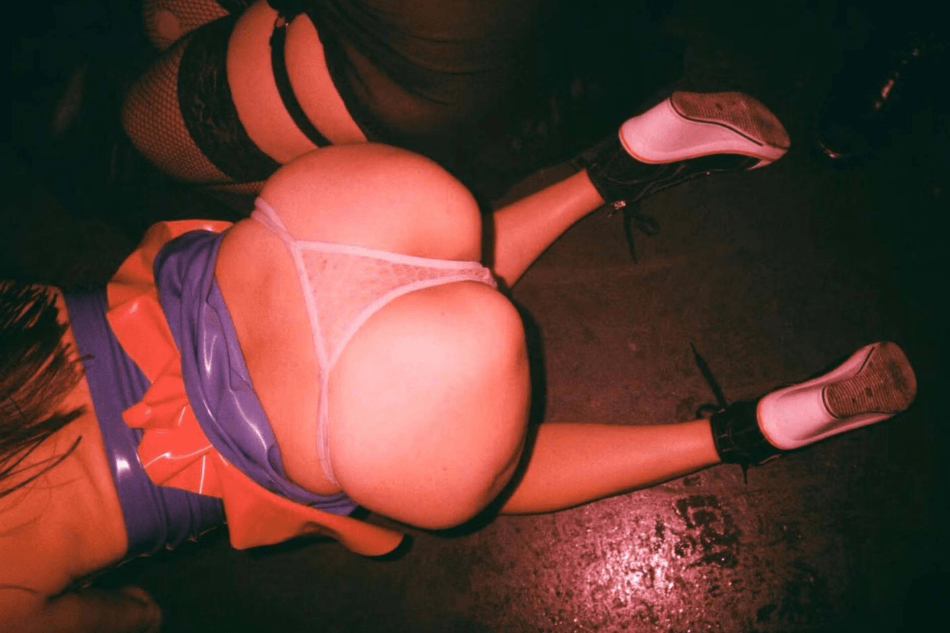
He describes, for example, walking into a playroom at a London event and seeing a couple near a spanking bench. The woman is visibly drunk, swaying slightly. She lies down; he spanks her. As Karl approaches, the man opens his trousers and takes out his penis. What is striking is not a cartoon villain act, but the absence of communication: the woman is facing the floor and cannot see what happens behind her.
“Maybe they had agreed everything beforehand, great, that would have been best case,” he says. “But in that moment, she’s looking at the floor, quite tipsy, and clearly not aware of what’s happening behind her. So we go in, we talk, we slow it down.” The safeguarding team assesses their level of intoxication, how well they know each other and whether anything about this scenario still feels consensual when spoken out loud. In this case, the conversation itself reveals hesitation. The woman hasn’t agreed before play started. So the play stops.
These are the kinds of moments safeguarding is designed for.
Situations that could tip into violation not out of pure malice, but out of carelessness, drunkenness, miscommunication. The point is not to police desire, but to build a culture where someone will come over, ask questions, slow things down.
At the same time Karl is critical of what he calls “awareness washing”. “There are places now where they put untrained, even intoxicated people into high vis vests and call it awareness,” he says. “That’s not safeguarding. That’s outsourcing responsibility without actually doing the work.”

Censorship: when platforms erase kink and leave the manosphere
While Klub Verboten was professionalising offline structures, the online environment was moving in the opposite direction. Legislative changes like the UK’s Online Safety Act shifted responsibility for content moderation entirely onto platforms. Companies such as Meta responded with broad censorship of anything that looks like sexuality.
Karl describes the result as a cultural disconnection. Educational kink content, consent tools, safer sex resources and queer sex positive accounts disappeared or were shadow banned. Visual markers of kink, gear, scenes, styles, became harder to show, especially in ways that foreground ethics and community rather than pure titillation.
“The less we can show of practices, outfits, the ethos of a culture, the fewer people will even know this world exists,” he says. “And that gap doesn’t stay empty.” At the same time, he notes, explicitly misogynist and radical manosphere content remains widely available. “Consensual, educational kink gets taken down, while radical stuff often stays up,” Karl observes. “That tells you a lot about whose sexuality is seen as a problem and whose hatred isn’t.”

For him, this is more than just an annoyance for event promotion. It creates a dangerous vacuum. When sex positive, queer, feminist voices are pushed to the margins, there are fewer counter narratives available to people who might otherwise stumble into kink culture as a vaccine against toxic masculinity.
“We’re dealing with infrastructure now,” Karl says. “The censorship is baked into how these platforms make money. So we can’t just rely on them for visibility anymore.”
New spaces: members’ club, Rosa and Wet Dream
One of the most radical shifts since our first interview is Klub Verboten’s move towards permanent, curated spaces.
In London, the team opened a membership based, sober club: STÜCK, a venue that functions seven days a week as a cultural hub, not just a party location. During the day, members can work there or simply exist in a space where they are not harassed for their bodies or appearance. In the evenings the focus shifts to workshops, educational events, exhibitions and, occasionally, explicit play.
“Every tiny football club has a clubhouse,” Karl says. “Every bowling club has a regular spot. Why should kink communities only exist for one weekend every few months in some rented basement?” The London club is an attempt to correct that asymmetry and to give the culture somewhere to live beyond one night spectacles.

In Berlin, Klub Verboten is co designing a new venue called Rosa. Unlike classic dungeon aesthetics, black walls, red crosses, subterranean vibes, Rosa has been imagined from scratch as a contemporary kink club. The name itself acts as a soft filter. Karl notes that more feminised, less macho branding tends to scare off people who approach sex purely as sport or conquest. Rosa is meant as a space for people interested in kink as culture, not as a hunting ground.
On top of that, there is Wet Dream: a pool party in Berlin created in collaboration with THE CODE. For this, Klub Verboten invested in an 8×8 metre pool and a set up that combines open air summer atmosphere with indoor playrooms. It is another experiment in expanding what kink spaces can look and feel like. Wet, bright, playful, not only dark and underground.
Ten years of Klub Verboten: what remains
Looking back over ten years, Karl is simultaneously proud and tired. In that decade KV has:
- taken a small fetish night from London to cities like Manchester, Berlin, Warsaw, Paris and Amsterdam
- helped articulate safeguarding as a standard in kink adjacent nightlife
- fought licensing battles and protests that forced authorities to take kink communities seriously rather than treat them as expendable curiosities
- built a members’ club and is now shaping new venues in Berlin

“We’ve done a lot in those ten years,” he says. “Sometimes it was fun, sometimes it was brutal. But we don’t have to prove anything anymore. The question is: what still feels necessary?”
What remains constant is the idea that kink spaces can be more than playgrounds. They can be places where people learn to carry responsibility for each other, where pleasure and ethics are not opposites, and where a different model of human interaction is rehearsed again and again.
In a culture that has once again started dancing on a volcano, with rising authoritarianism, platform censorship and weaponised shame, Klub Verboten’s evolution is a case study in how one project tries to keep its balance: by taking consent seriously, by insisting on community over spectacle, and by building rooms that outlast the current boom.