Last Tuesday night, you had that thought again. You know the one – the fantasy that makes you pause your Netflix, glance toward the bedroom, and wonder what it would be like if…
Stop right there.
In an increasing number of places around the world, that thought you just had might soon be illegal—policed under growing regimes of sexual governance.
It Started with Other People
You probably thought this was about someone else. The headlines screamed about drag queens, trans kids, gay marriage. Easy to scroll past if you’re straight, married, “normal.” Easy to think: “That doesn’t affect me.”
You were wrong.
The laws targeting LGBTQ+ people were never just about LGBTQ+ people. They were test runs. Practice rounds. The warm-up act before the main event: sexual governance.
Don’t believe it’s already happening?
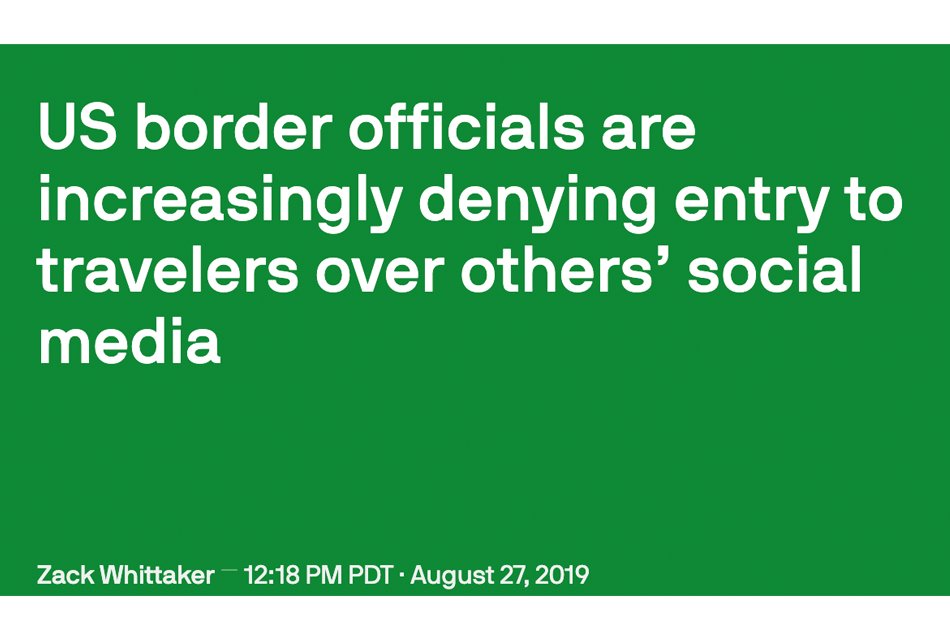
Ask Ismail Ajjawi, the 17-year-old Harvard freshman who was denied entry to the U.S. at Boston Logan International Airport – not because of his own social media posts, but because of his friends’ social media activity. Border officers searched his phone and computer and took issue with what his friends had posted. His crime? Knowing people who expressed the wrong opinions online.
The Blueprint is Already Written
Project 2025 – the 900-page plan conservatives wrote for reshaping government – doesn’t just target queer people. It targets the entire concept of sexual autonomy. The plan calls for removing words like “sexual orientation,” “gender identity,” and “diversity” from all government language.
But buried in those pages are broader goals: restricting access to contraception, limiting sex education, expanding government control over “moral standards.” The same logic that says “protect children from drag queens” easily becomes “protect children from romance novels.”
Think that’s extreme? Several US states have already banned books with sexual content from libraries. Florida’s education laws now require schools to remove any material that depicts sexual activity – including classic literature, health textbooks, and yes, romance novels.
Your fantasies aren’t illegal yet. But the infrastructure to make them illegal is being built right now.
How Thought Becomes Crime
It happens gradually, then suddenly. First, they police public spaces – no pride flags, no rainbow merchandise, no discussions of non-traditional relationships. Then they expand into schools – no books with sexual diversity, no comprehensive sex education, no acknowledgment that different desires exist.
Then comes the internet. Several countries already monitor online activity for “immoral content.” VPN usage gets flagged. Browser histories become evidence. What you read, watch, or search becomes a matter of legal interest.
The 32-year-old woman searching for “how to spice up marriage” becomes suspicious. The husband browsing “tantric massage techniques” gets a visit. The curious couple exploring “non-monogamy” gets reported by their ISP.
This isn’t science fiction. It’s Tuesday in several parts of the world already.
The Personal is Political (Whether You Like It or Not)

You never wanted your sex life to be political. You just wanted to explore, experiment, enjoy your body and your relationships without judgment. But here’s the uncomfortable truth: your pleasure has always been political.
Every orgasm you have exists within systems of power that either permit or prohibit it. Each fantasy you entertain has been shaped by sexual governance that defines what’s “normal” and what’s “deviant.” Every conversation you have about sex happens within boundaries set by people who may never have asked what you actually want.
When societies stop talking openly about sexual diversity, everyone’s sexual freedom shrinks – not just the people who were targeted first.
The Silence Tax
Right now, you’re already paying the price of sexual silence. You modify your Google searches because you’re embarrassed and void certain conversations with friends because they might judge. You don’t explore certain fantasies because you worry they’re “too weird.”
That hesitation? That shame? That’s not natural. It’s manufactured.
Societies that police sexual diversity create climates where everyone self-censors. The mother who wonders about polyamory never researches it. The husband curious about role-playing never mentions it. The woman attracted to dominant partners convinces herself she’s “sick.”
Meanwhile, actual sexual problems – abuse, coercion, assault – get less attention because society is too busy policing harmless diversity to focus on real harm.
What Sexual Governance Takes From You

When lawmakers restrict sexual education, they’re not just limiting what kids learn in school. They’re limiting what information exists for adults who missed out on comprehensive education. When they ban books with sexual content, they’re not just protecting children. They’re ensuring that sexual knowledge remains limited for everyone.
When they criminalize sexual diversity, they’re sending a message: conform or hide.
And hiding kills curiosity. Curiosity is what makes sex interesting, relationships dynamic, humans human. Without it, you get the sexual equivalent of beige walls and missionary-only – functional, perhaps, but hardly alive.
The Future They’re Building
Imagine a world where your browser history is scrutinized for “moral compliance.” Where your book purchases are tracked for “inappropriate content.” Where your dating app conversations are monitored for “deviant interests.”
Imagine needing permission to access information about your own body. Having to justify your fantasies to bureaucrats. Explaining to authorities why you bought that toy, read that book, had that conversation.
This isn’t a paranoid fantasy. It’s the logical endpoint of sexual governance, where desire is regulated, and intimacy becomes evidence.
Your Resistance Starts Now

The good news? You have more power than you think.
Every time you refuse to be ashamed of your desires, you resist. Any time you have honest conversations about sex, you resist. Every time you support businesses and politicians who defend sexual autonomy, you resist.
Your sexuality isn’t just personal – it’s political. And politics is something you can influence.
Read the books they want to ban. Have the conversations they want to silence. Support the people they want to marginalize. Not because you’re an activist, but because you’re a human being who deserves to explore what makes you feel alive without sexual governance.
The Choice

You can wait until they come for your specific fantasies, your particular desires, your chosen ways of loving. By then, the infrastructure of control will be so complete that resistance becomes nearly impossible.
Or you can recognize that sexual freedom is indivisible. That their fight against “deviant” others is ultimately a fight against your right to be curious, experimental, authentic.
Your fantasies aren’t illegal yet. But the people writing the laws are working nights and weekends to change that.
The question isn’t whether you’re political enough to care about sexual governance taking away your sexual freedom. The question is whether you’re human enough to want to keep it.
The Global Picture: How Your Continent Compares
Think this is just an American problem? Think again.
[This is just a very brief and simplified overview, meant to spark thought – the reality of sexual politics in each region is far more complex]
- Europe: While countries like Germany and the Netherlands maintain relatively progressive sexual policies, Hungary and Poland have declared “LGBTQ-free zones” and restricted sex education. The UK debates whether to ban conversion therapy while simultaneously restricting transgender healthcare. France maintains liberal attitudes but faces rising conservative movements questioning comprehensive sex education.
- Asia: Singapore still criminalizes certain sexual acts between consenting adults. India decriminalized homosexuality only in 2018. China censors LGBTQ content from social media and entertainment. Meanwhile, Taiwan became the first Asian country to legalize same-sex marriage, showing the continent’s dramatic divides.
- Africa: Over 30 African countries criminalize homosexuality, with some imposing death penalties. Uganda recently passed laws making “promotion of homosexuality” punishable by life imprisonment. South Africa stands as a progressive outlier with constitutional protections for sexual minorities.
- Latin America: Argentina and Uruguay lead in progressive policies, while countries like Guatemala and Honduras maintain restrictive laws. Brazil shows how quickly progress can reverse – once a leader in LGBTQ rights, it’s now seeing systematic rollbacks under conservative pressure.
- Australia and New Zealand maintain relatively liberal policies but face the same global conservative pressures affecting everywhere else.
The Pattern: No continent is immune. Even in supposedly progressive regions, sexual freedom exists under constant threat. Rights won over decades can be lost in years.
The lesson? Sexual authoritarianism is a global export. What happens in one country becomes a template for others.
Your fantasies face the same threats whether you live in Texas, Tuscany, or Tokyo. The fight for sexual autonomy is international – and so is your stake in its outcome.
You have something to say? We want to read it.
BERLINABLE‘s Open Source Initiative – because the most interesting thoughts often come from unexpected places. Write about sexuality, culture, politics, society. Whatever makes the world more honest, more curious, more real.
Submit content with relevance and professional quality standards. Together, we’re building a platform where voices drive cultural change.
The decision about publications lies with us.
Submit your text: editorial@berlinable.com
Open Source stands for diverse discourse.