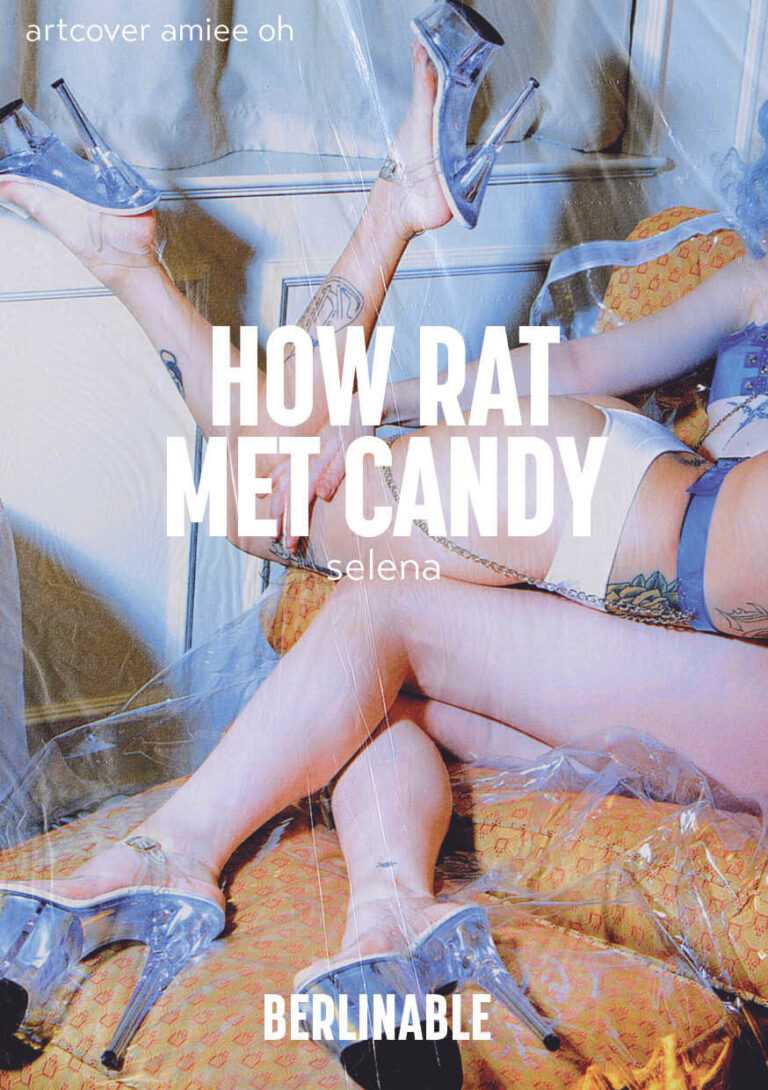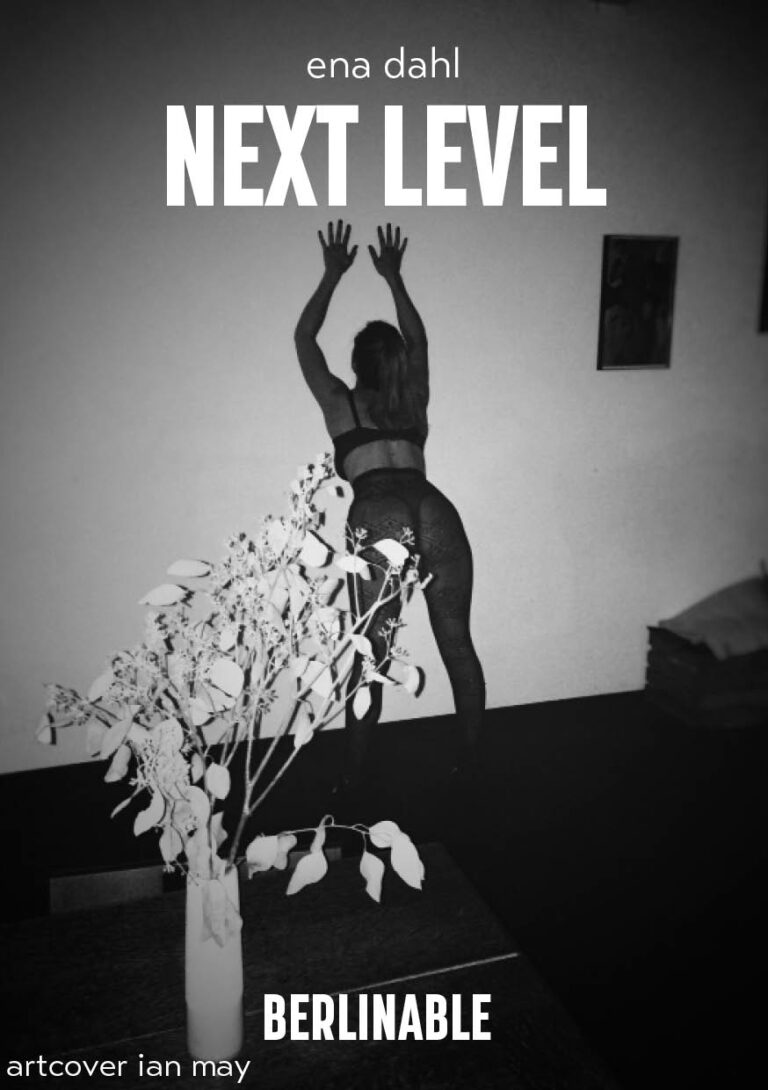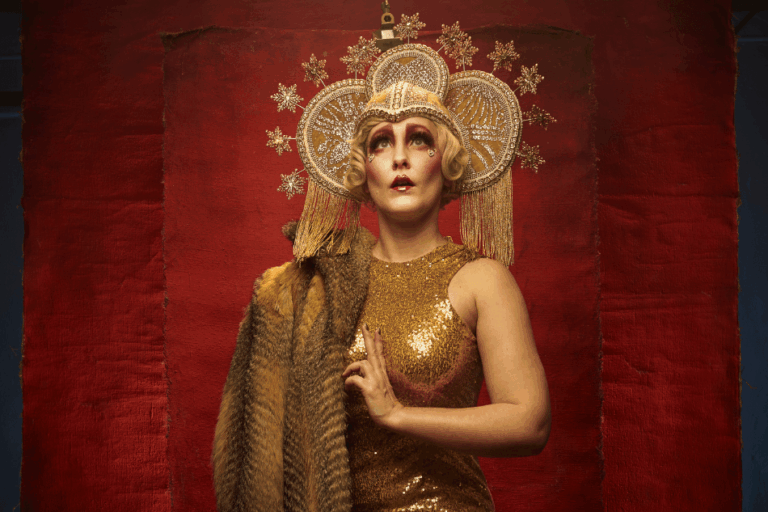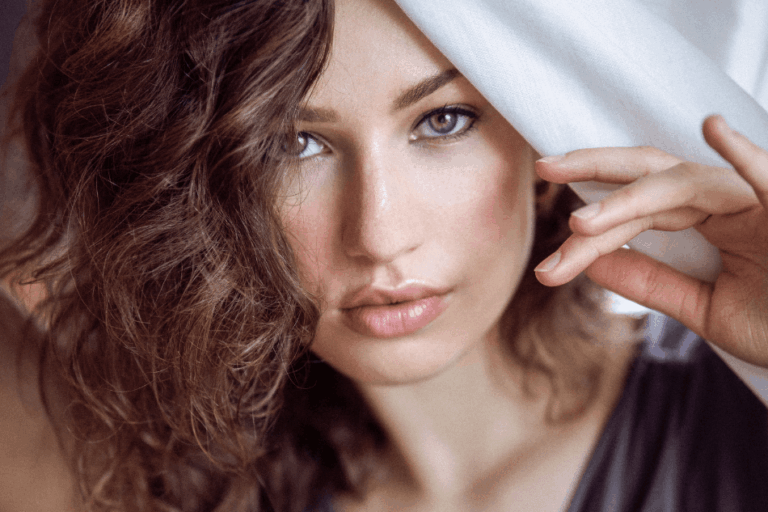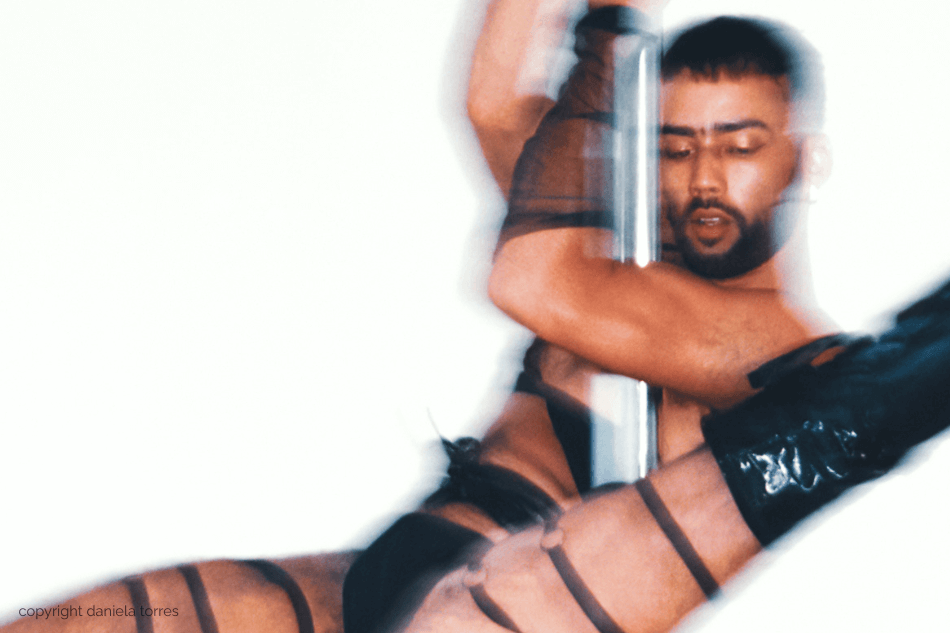
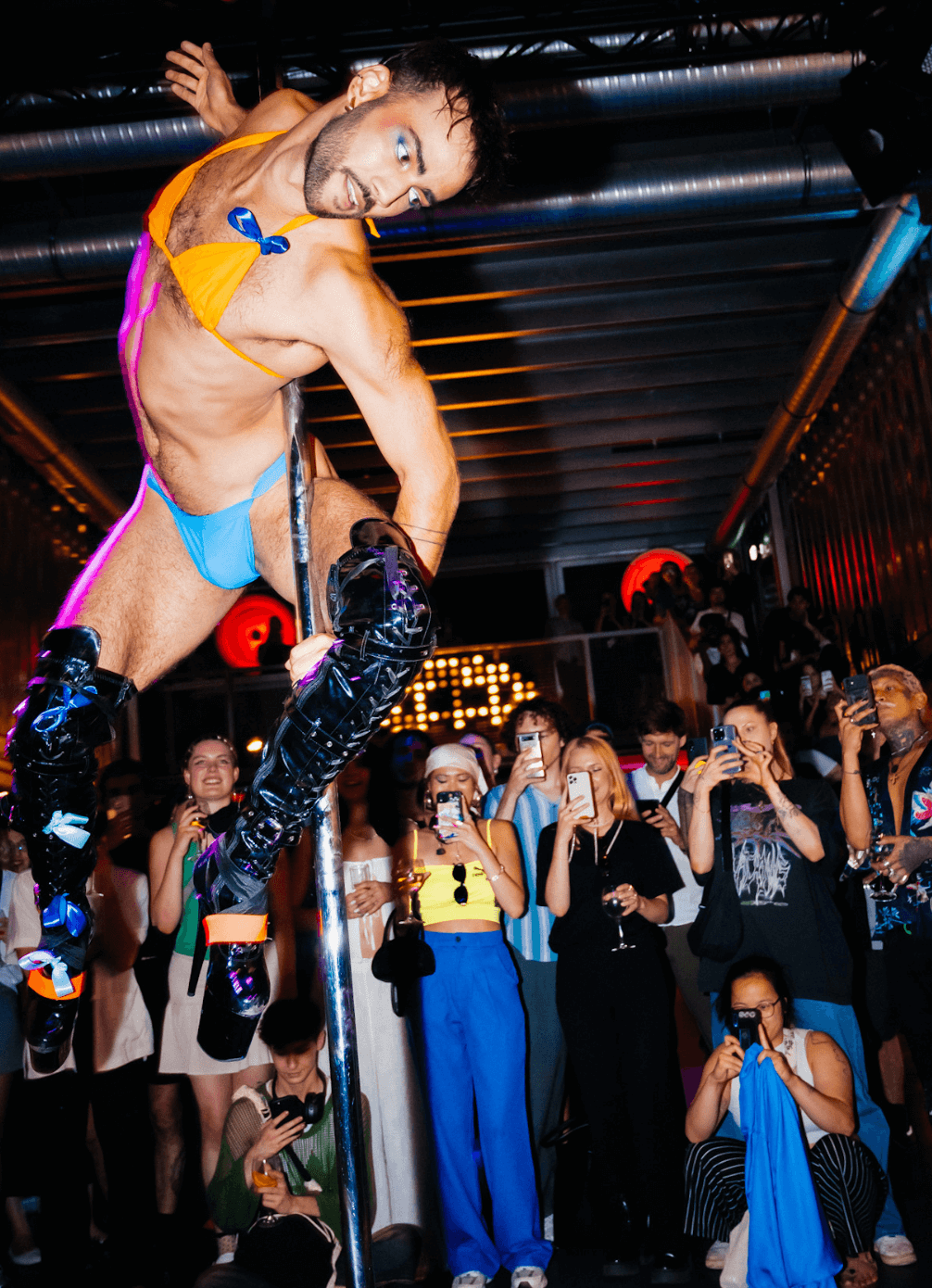
Perhaps in one of those cities where world-class performers emerge because there are stages big enough for people who are bigger than categories. Robyn is the best pole performer I’ve ever seen. Not technically, though that too. But in what’s hard to name: presence, control, aura.
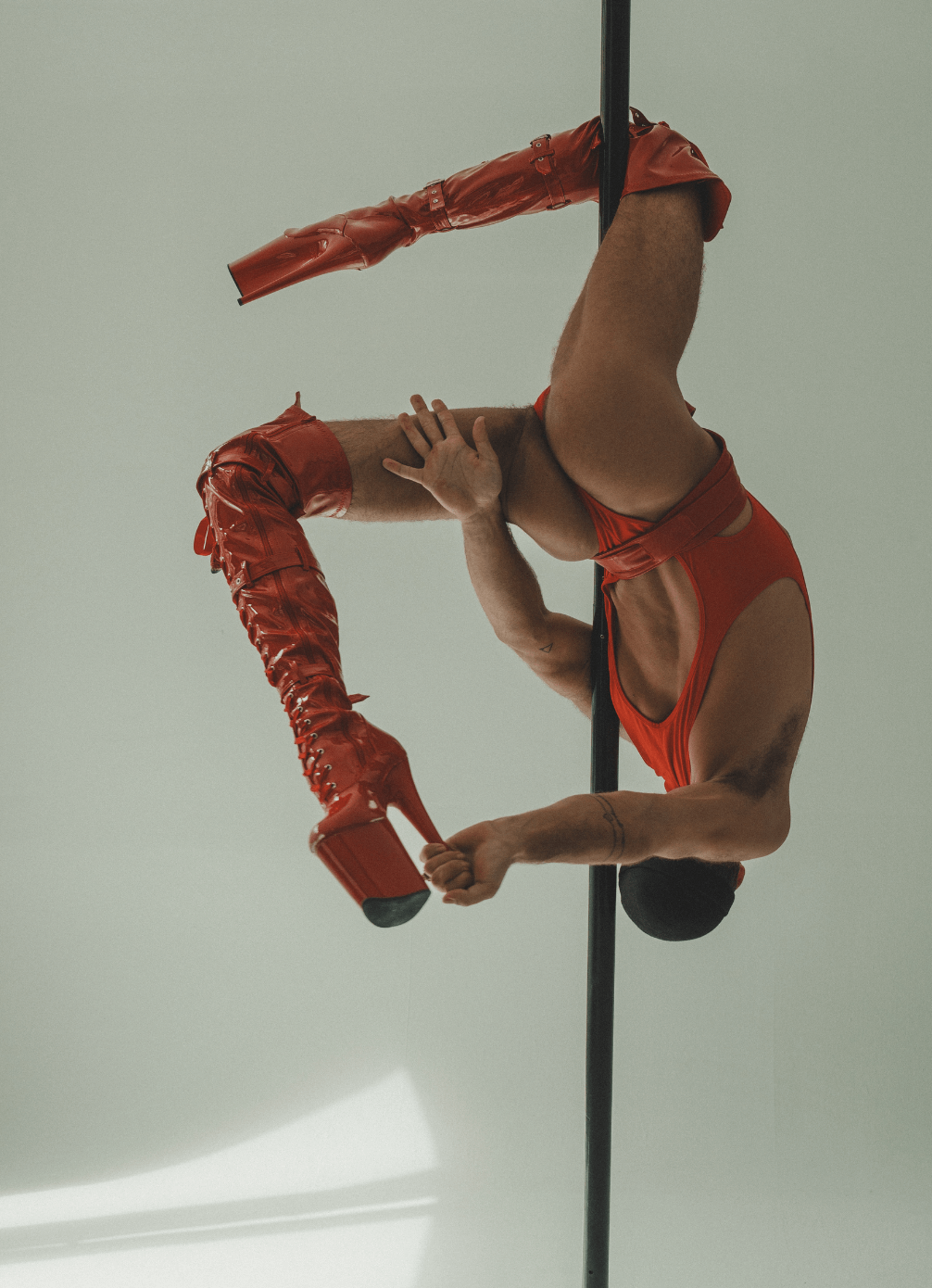
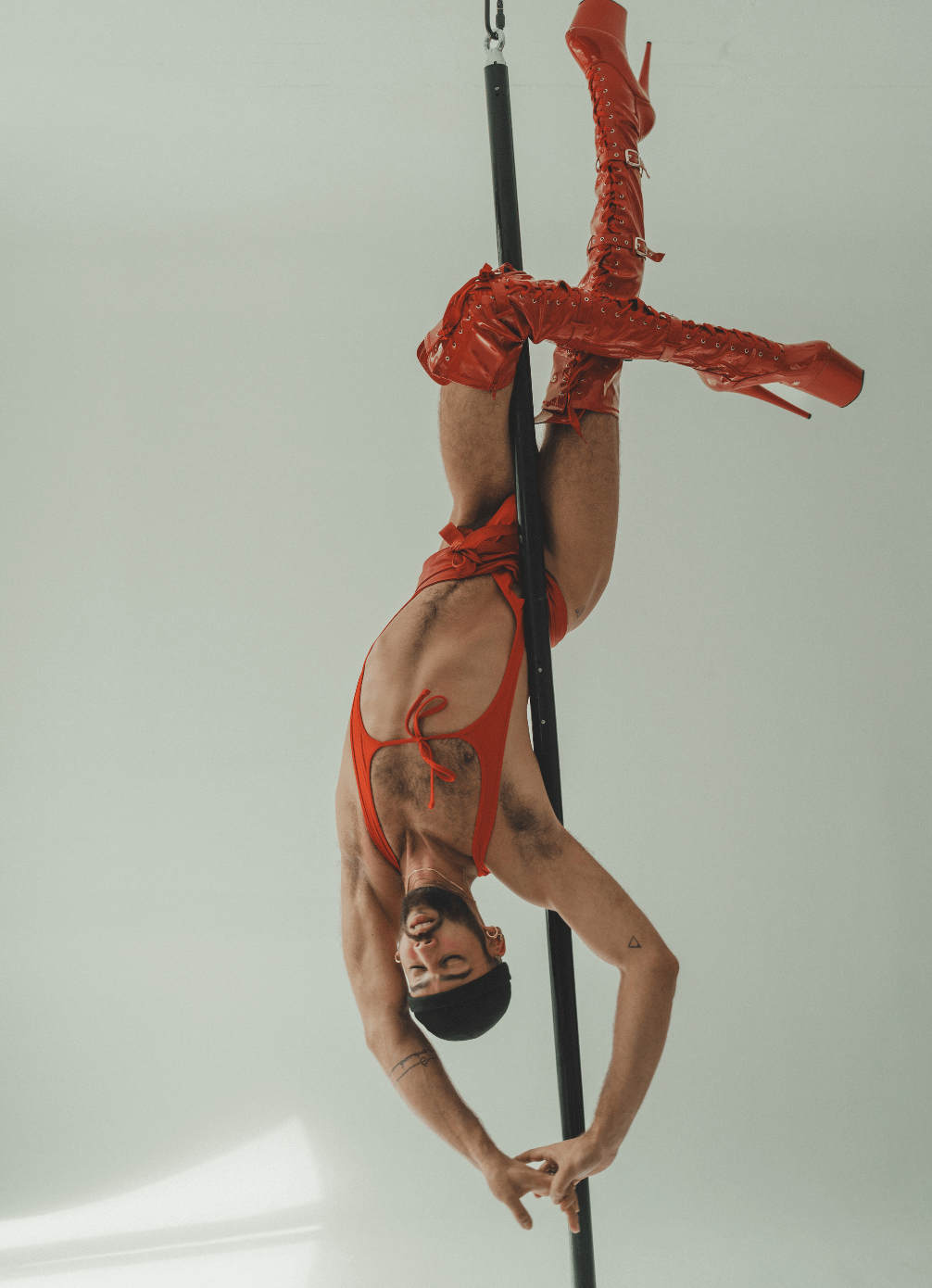
When Robyn Robin performs on the pole, something rare happens. The body loses its weight. The movement doesn’t seem trained, but natural. Desire doesn’t arise because something is shown, but because something is held.
I’ve often called them a god on the pole. Not ironically. Not hyperbolically. But because Robyn embodies something on stage that you otherwise only know from myths: a mixture of power, beauty, and untouchability. That’s why I’m surprised when I learn that Robyn lives in Berlin. Not somewhere far away. Not unreachable. But here.
We meet directly. No jetlag, no backstage mythology. Just a room, a recording device. No stage lights, no music, no heels. And this is exactly where the second part of the story begins.
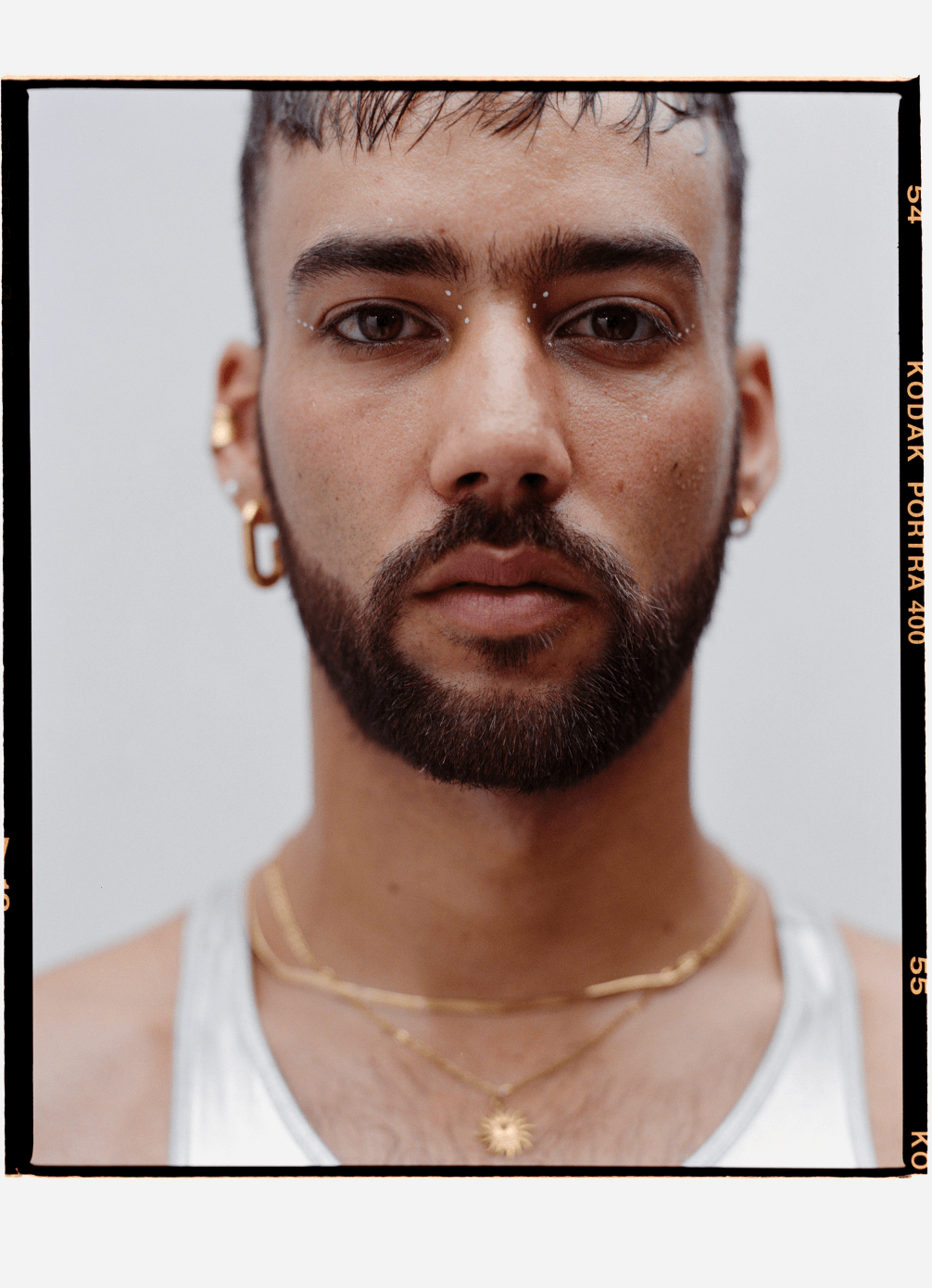
The Body as Archive
Robyn did competitive gymnastics as a child for 14 years. Parallel bars. Floor. Rings. Strictly separated by gender.
“Gymnastics is so binary”
they say. I nod. I also did gymnastics as a child, and I remember the locker rooms, the training suits, the constant control. The fixation on bodies. Forms. Weight. That certain movements were for girls and others not. The feeling that one’s own body was never “right” enough. And the behavior wasn’t either.
In contrast, Robyn found more freedom of expression back then in a jazz/show dance group. With increasing criticism of “feminine hobbies” during the teenage years, however, Robyn tried to be more like what was expected of them. No dancing, no gymnastics, fewer feelings.
Robyn didn’t do any sports for years. Until Robyn came to Berlin and discovered pole dance. Not as a sport. As something else. “Pole comes from the clubs. From sex work & stripping. That’s why there’s no wrong body there.”
This is not a detail. It’s the core of everything Robyn does.
Gymnastics taught both of us to control our bodies.
Pole taught Robyn to love their body.
The difference is political.
“For me, pole was the way to get closer to my sexuality. I first had to learn to love my own body before I could share it with others.”
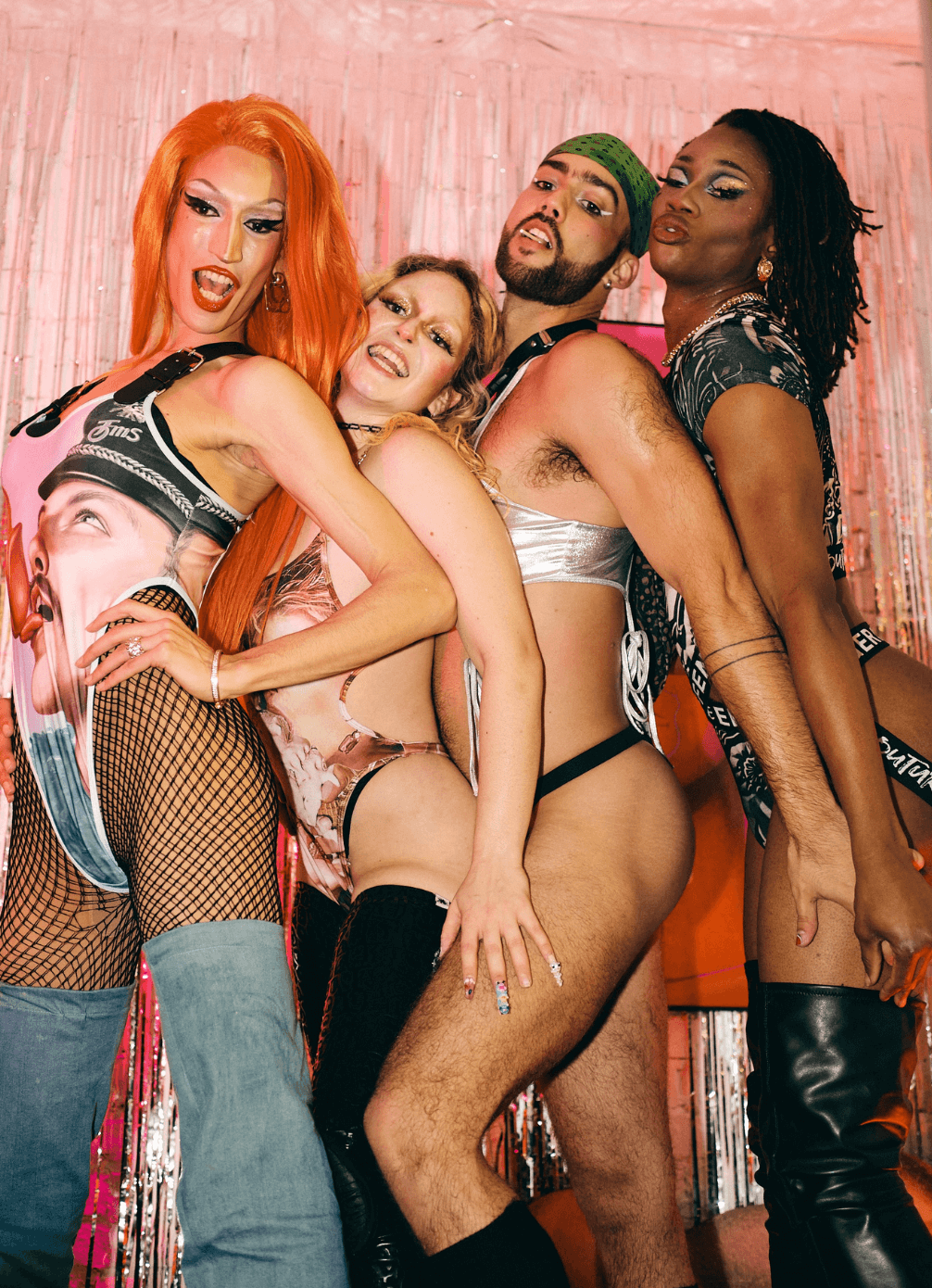
I think about their performances. About this absolute calm in the movement. And I begin to understand: What looks like superiority is actually self-determination.
The Power of Heels
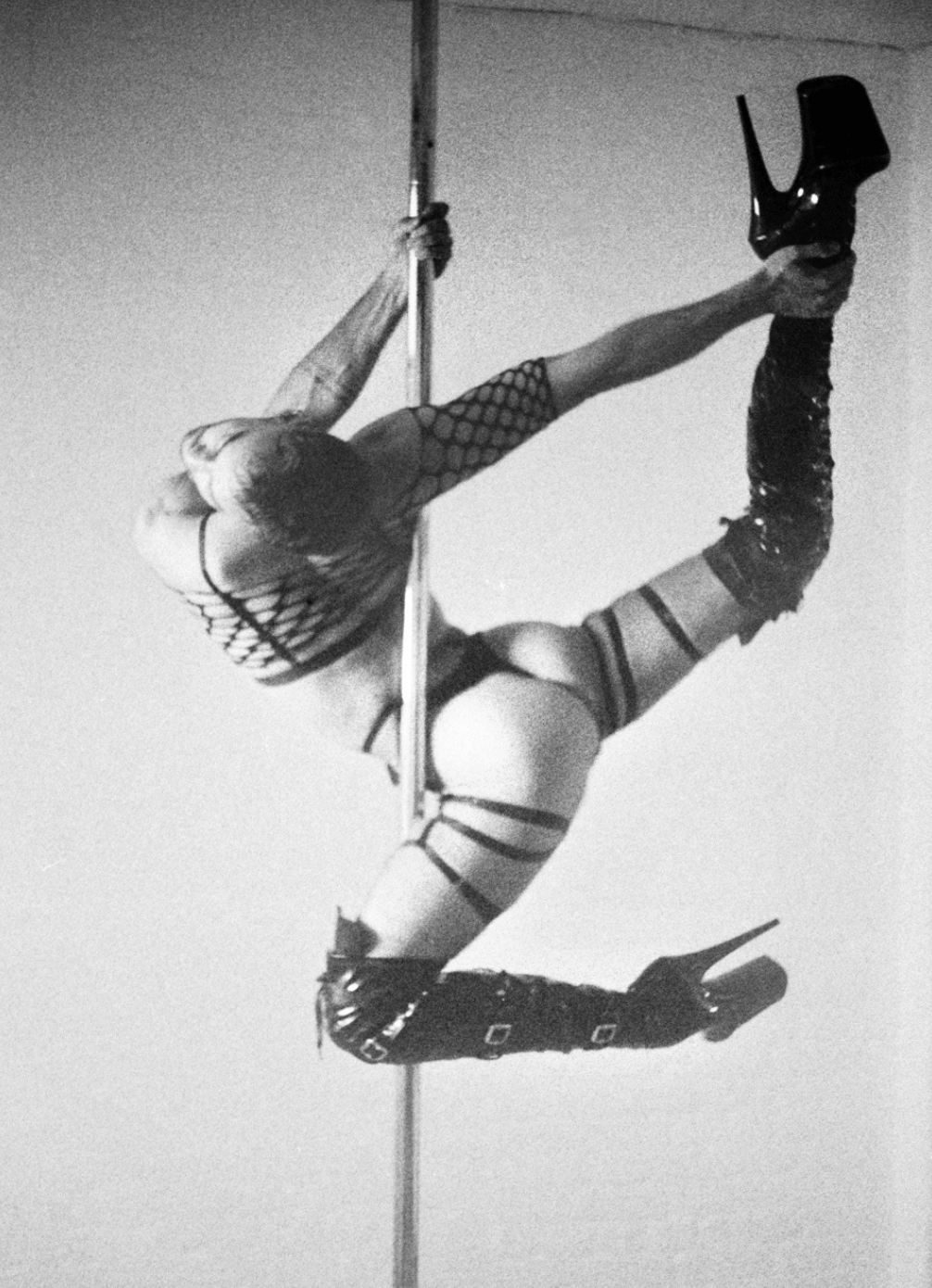
Robyn talks about heels. Not as an accessory. As a tool. “Without heels I’m more vulnerable. Emotionally more naked. The height gives me stability.”
This surprises me. Because it completely shifts the image of glamour.
And then Robyn says something that resonates with me for a long time: “I recently had a performance without heels. Just barefoot. That was more vulnerable than anything else. Much more nervous than standing on stage in high heels.”
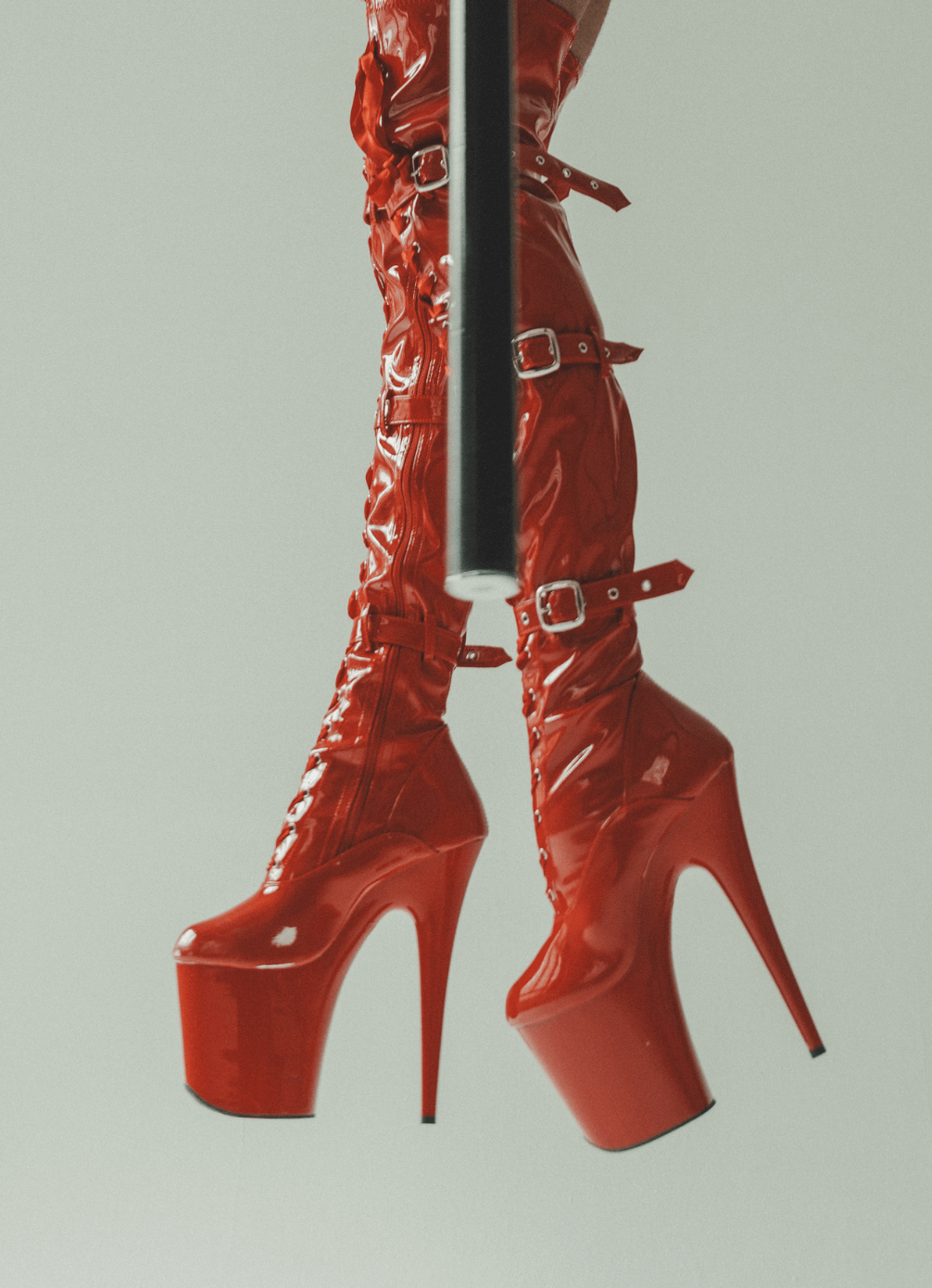
I saw the performance on Instagram. It’s true. I felt this vulnerability.
Softness for Robyn isn’t a lack of hardness. It’s a conscious decision in a world that rewards hardness. “Soft is not weak. Soft is something that is present. Something that touches without dissolving.”
And then Robyn tells me about their project. Working title: Bitch I’m Soft. A project about queer softness and sensuality. With strippers, sex workers, pole dancers, trans and queer bodies.
“I want to bring the community together, strengthen it, and make it visible.”
Robyn is tall. Very tall. Almost two meters. In heels even more. This body is never neutral in public space. Robyn is read before Robyn speaks.
“I get harassed even when I’m out in my winter coat. People have become more confrontational. Once or twice a week I get shoved or insulted on the U-Bahn.”
We talk about Berlin. About the political climate. About the atmosphere that’s intensifying.
“6, 7 years ago, Berlin had what felt like a peak for me. Wholesomeness, Queerness, Happiness. I walked through the streets in a crop top and felt free. That’s gone.”
Robyn says you can feel it on the street. Not in debates, but in looks. In comments. In gestures.
“People are confronted with their own not-being-free. With what they don’t allow themselves. And that makes them angry.”
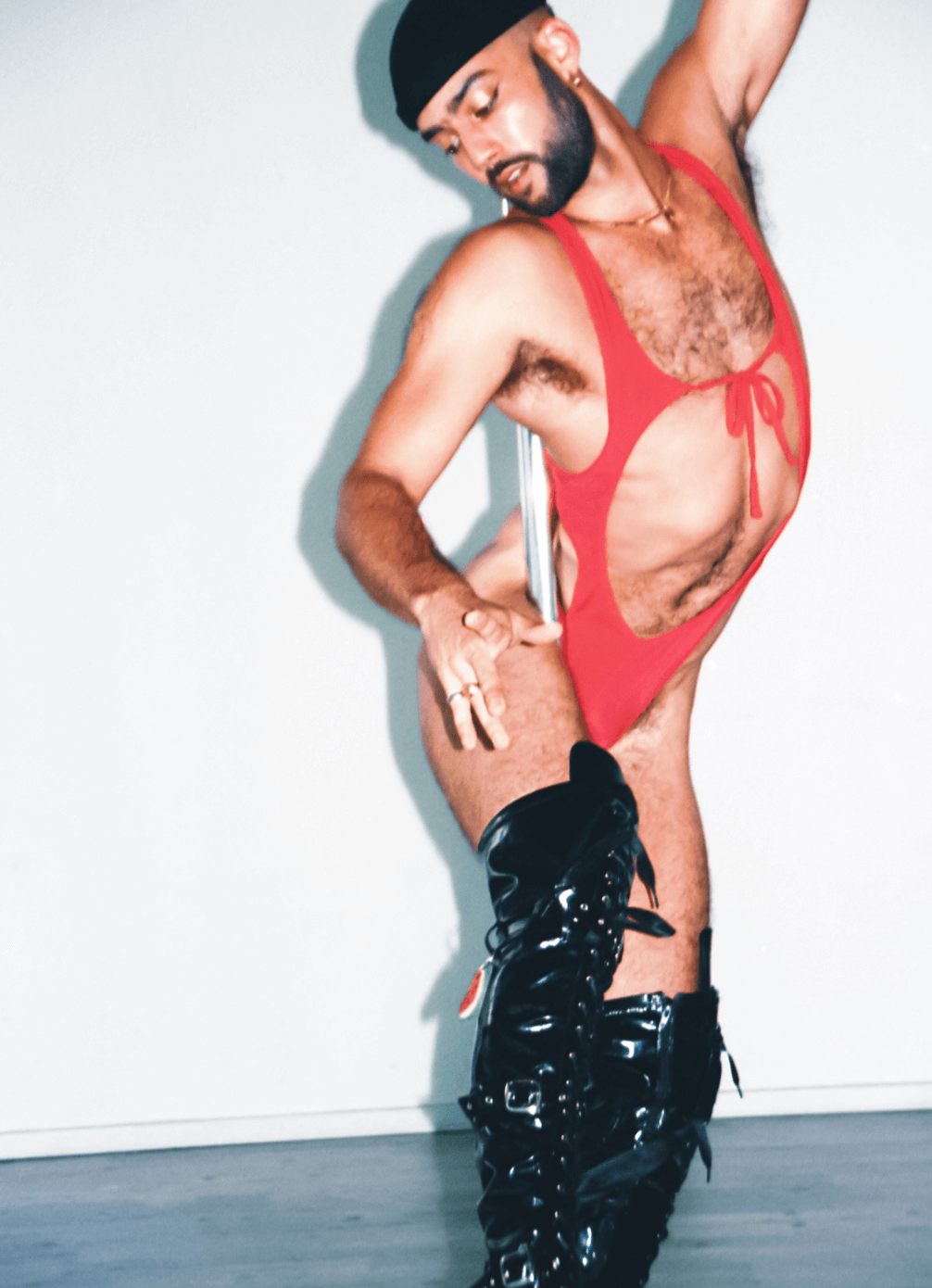
Queerness here is not an identity category. It’s an experience in everyday life. A constant negotiation between visibility and safety.
Robyn tells me that people deny them their Germanness. “I was born here. My parents are German. My official name is Robin Werner Dreger. And yet I’m often perceived differently.”
Their grandmother was called “Türkenomi” (Turkish granny). Even though she came from what was then Königsberg. Their father was also never seen as German. Then accepted that. Exaggerated it. “He performed at weddings in a white suit and sang Adriano Celentano. And into the 2000s he wore colorful bell-bottoms to certain occasions.”
Robyn laughs. “I got the performance gene from him.”
But Robyn also says:
“My task in life is to confuse people. Whether it’s about their own sexuality, gender, origin, or whatever. Maybe we just need to blow up these categories a bit.”
Here it becomes clear why Robyn is more than a performer. Robyn uses their body not only for aesthetics, but for stance. Their art is political without slogans. Their activism doesn’t happen on the street, but on stage.
Robyn is an artivist. Because Robyn opens spaces where others can see themselves anew.
The Illusion of Liberated Sex
Sex doesn’t come into the conversation as provocation, but as part of the development of the person Robyn is today:
“For a long time I thought something was wrong with me. That I couldn’t do sex right. Especially in Berlin.”
Robyn talks about expectations and about the feeling of having to fulfill certain role models.
“In the gay community, patriarchy is very present. This taking. This sense of entitlement.”
Robyn makes a distinction I’ve never heard before. Between the gay community and the queer community.
“The German cis gay community is comfortable. They’ve adapted. They don’t have to fight much. The organized queer community in Berlin? That’s intersectional. That’s migrant. Those are people who really have something to lose. And those are the people who really move something for the entire community!”
Robyn doesn’t say this bitterly. But matter-of-factly. “If you adapt or can adapt to certain binary & heteronormative ideas, you don’t have so much to fight for.”
Robyn describes how pole dance and queerness helped them rethink their own sexuality. As a space in which Robyn can determine for themselves what intimacy and desire mean.
“My comfort zone is queer soft sensuality.”
“Experiencing and discovering together. Not objectifying another body. That can of course be part of it, but it doesn’t have to be.”
And then Robyn says something that hits me: “Sex is most beautiful for me when I feel good and like myself. Not as stress relief or a valve. When I’m stressed, I can’t have sex. I have to be free to be free.”
Art Without Compromise: The Artivist Way
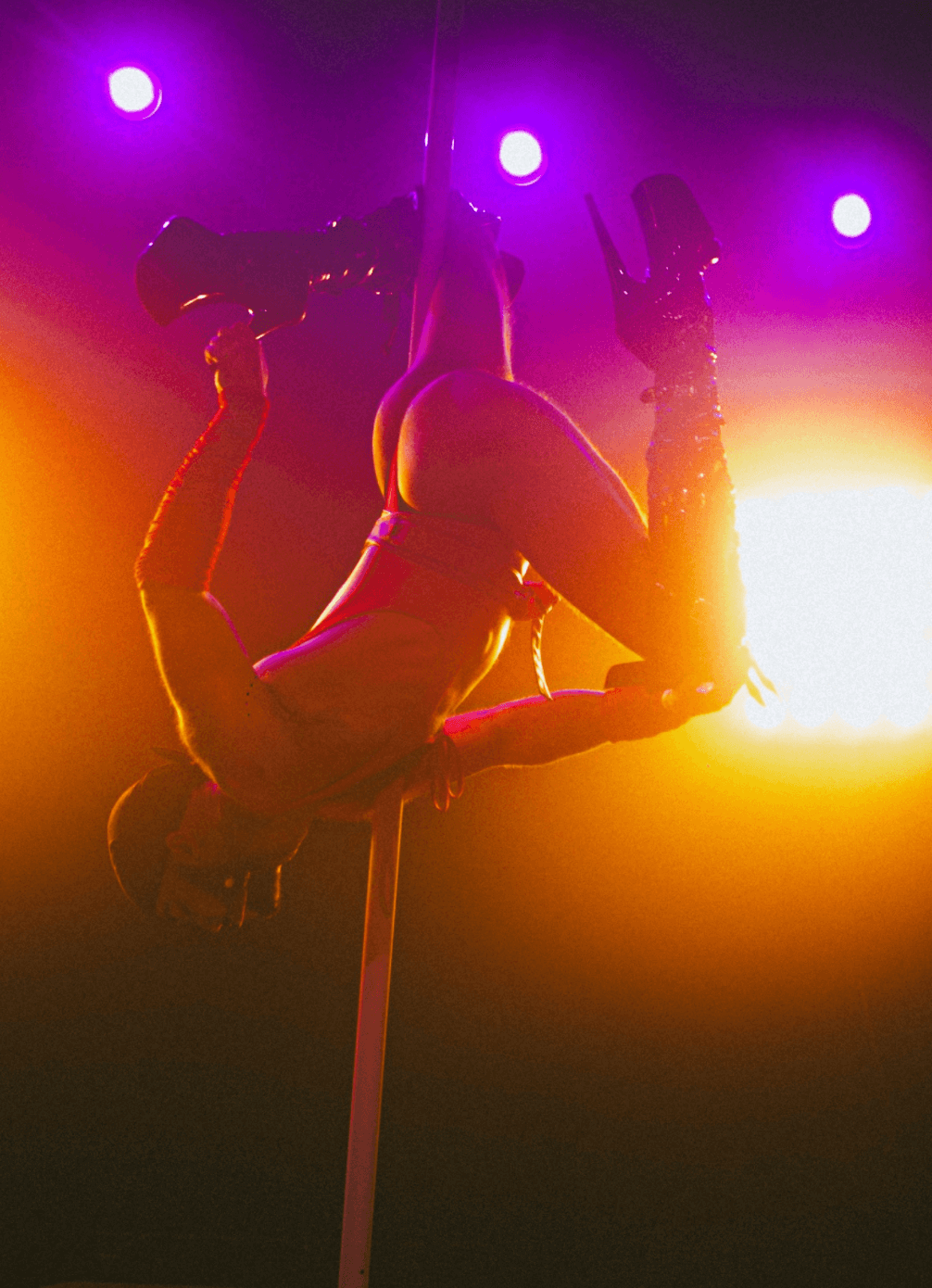
We talk about pole dance and sex work. Robyn is very clear about not drawing false dividing lines.
“You can’t separate pole from sex work. Just like you can’t separate techno from Black electro & disco music. Just like you can’t separate ballroom/voguing from the New York Black Latine queer community.”
Robyn refuses to label themselves clearly. Not out of indecision, but out of respect for others’ stories.
“I don’t call myself a stripper because I haven’t had those experiences. But I also don’t distance myself. Ultimately: Everyone who performs and works with sexuality does sex work. Helene Fischer does sex work.”
Robyn laughs. But means it seriously.
“I want us to live in a society that sees sex work as part of society. De-stigmatized. Paid. With a union.”
Bitch, I’m soft.
At the end of this conversation I don’t have a hero. I have a human being. A world-class performer. A queer body in political space. An artist who lives softness as resistance.
Robyn tells me: “Being queer is also a privilege. Because you have to deal with yourself earlier and therefore get to know yourself better.”
I think Robyn doesn’t mean: easier. Robyn means: more necessary.
We live in a time when queer people have to be more afraid again.
When Berlin is no longer the safe place it once was. When pole dance is made “respectable” by mainstream society – and thereby separated from its history.
Robyn fights against this. With their body. With their art.
This conversation is not a portrait. It’s an encounter with someone who shows how closely sex, society, and art are interwoven.
And perhaps that’s exactly what’s most spectacular about Robyn: That behind the god on the pole stands a human being who thinks, doubts, feels – and stays anyway.
Who says: “Bitch, I’m soft.” And changes the world with exactly that.
Note on Artivist
An artivist is an artist who uses their creative practice as a form of activism. Not as a side project. Not as a statement posted online. But as the work itself. The stage as protest. The body as argument. The performance as politics. The term artivist merges art and activism because, for some people, the two were never separate to begin with.