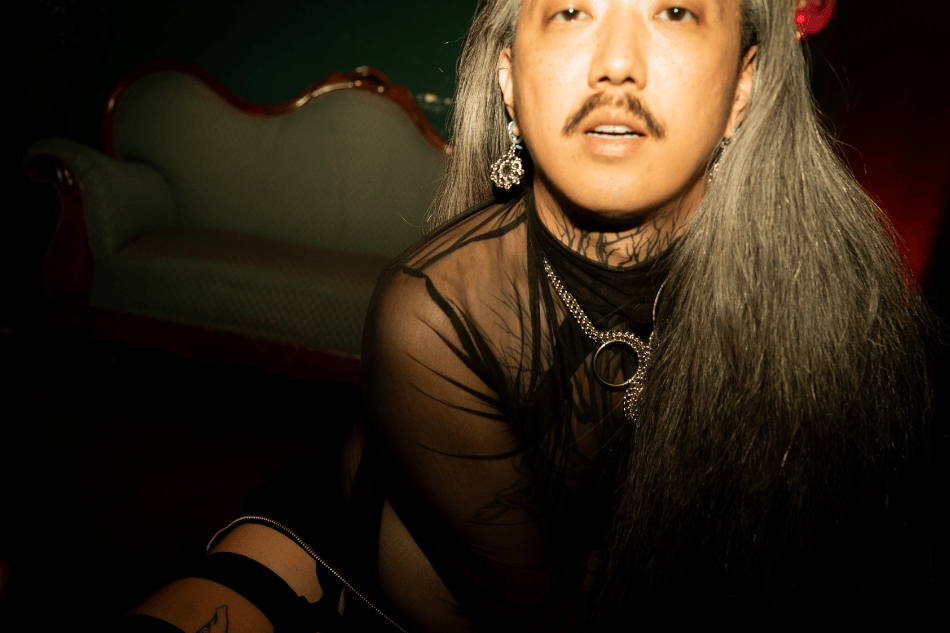
Ron Hades doesn’t just design kink sessions, Ron designs the space where you finally meet yourself.
Before you can book a session with Ron Hades, you have to do something most people find harder than the session itself: answer deeply personal questions. Not a standard intake form. A list written specifically for you, based on your initial inquiry.
Ron doesn’t keep a questionnaire on file. Ron writes a new one every single time.
Why? Because the question isn’t what you want. It’s why.
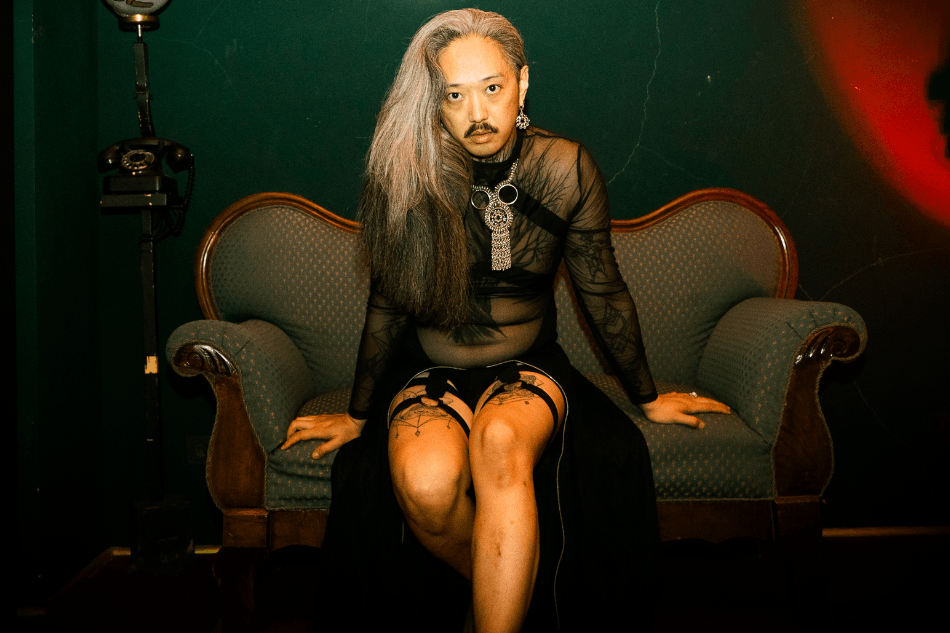
Ron Hades is a Berlin-based non-binary sex worker, kink educator, and activist who goes by the title “Fantasy & Desire Architect”. It’s a deliberately constructed term, and there’s a philosophy behind every word of it.
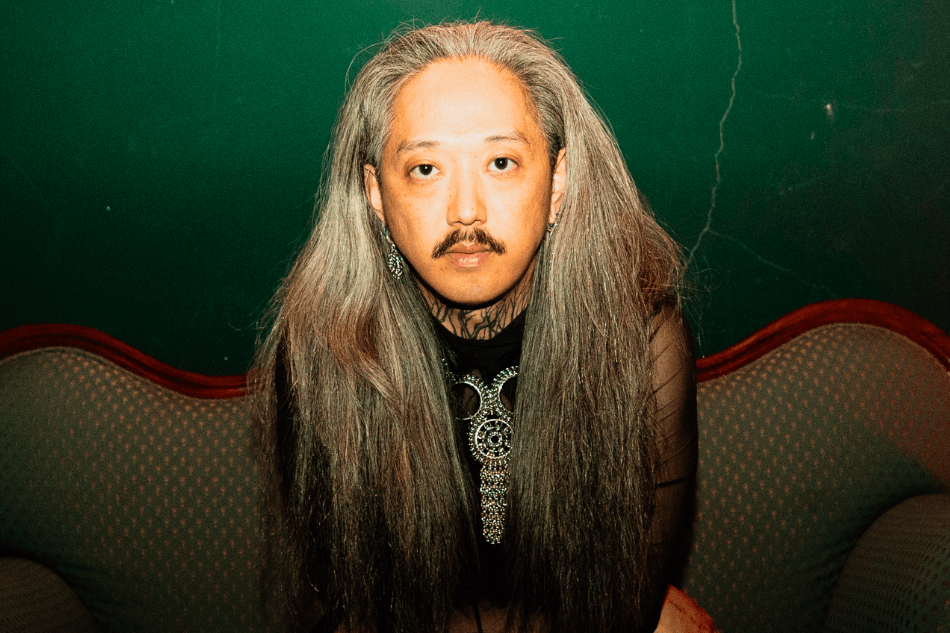
When Does Sex Work Turn Architecture?
The title didn’t come from a branding exercise. It came from an ex-partner’s offhand observation: “Your work is like architecture.” Ron spent a long time sitting with that before using it.
The reluctance was political, not aesthetic. In a world where sex workers are constantly pressured to rebrand themselves as coaches, healers, or therapists – anything to avoid the stigma of the word “Sexarbeit” (Sex Work) – Ron wanted a title that expanded the frame without abandoning the foundation.
The “Fantasy & Desire Architect” is still a sex worker. That’s Ron point.
“I didn’t want it to come across like I was rebranding myself just to sell better,” Ron says. “For me, this is still part of true sex work. It just captures that what I do is multi-dimensional.”
The architecture metaphor holds because Ron’s craft is structural: building something from scratch, a frame, a scenario, every time, for one specific person, and that person only, one per day.
Sessions, Crafted Like a Piece Of Art. The Desire Architect
Most people assume that booking a sex worker means sending a message, agreeing on a price, and showing up. With Ron Hades, the process looks nothing like that, and that gap is not incidental. It is the work – complex like a piece of art.
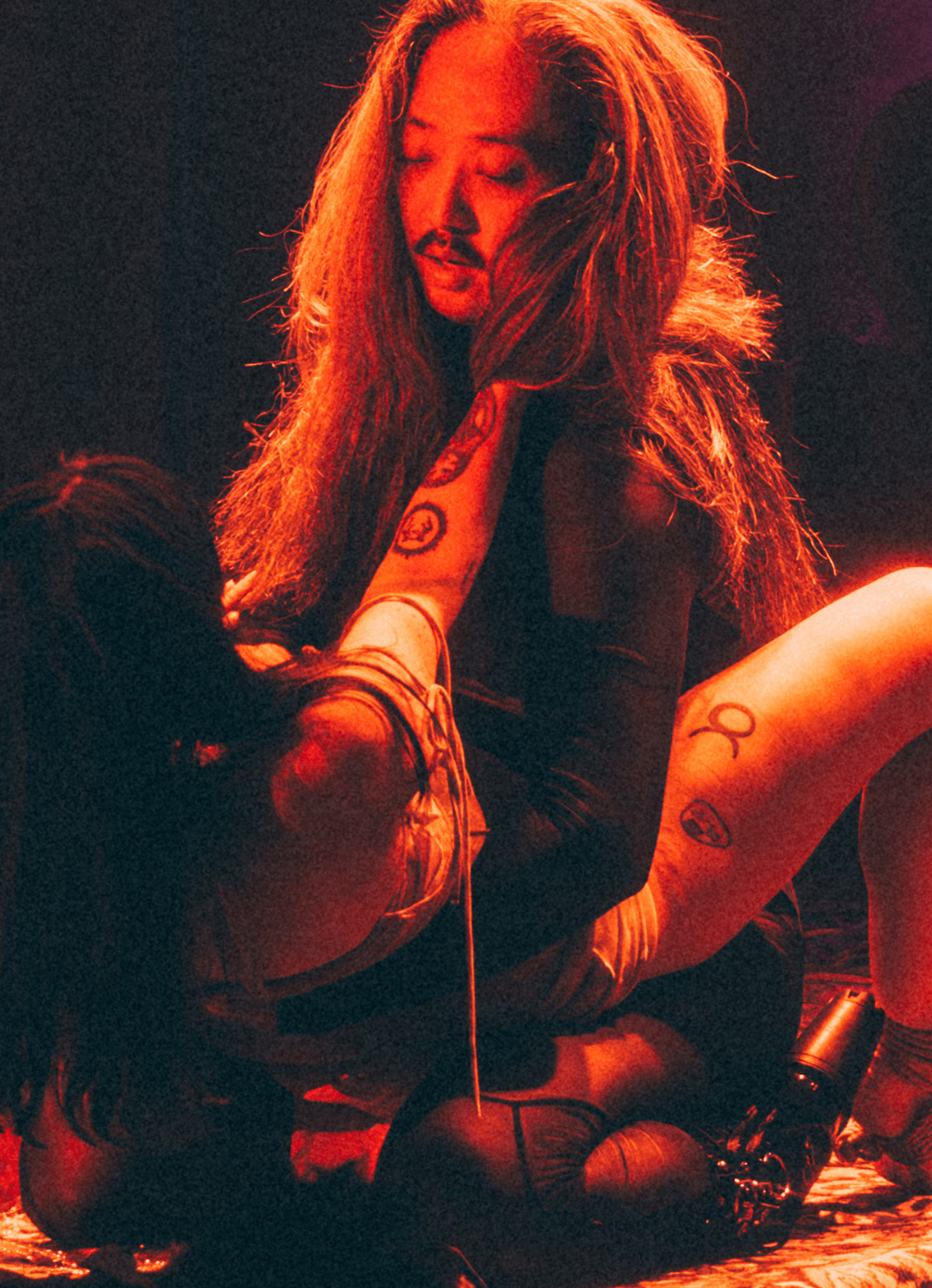
It starts with an email. Not a booking form, a conversation. What kind of session are you looking for? What feeling do you want to walk away with? Already at this first stage, Ron is reading between the lines: what is this person actually reaching for, beneath the words they’ve chosen?
From that exchange, Ron builds a framework, a rough shape of what the session might hold. And then comes the questionnaire. Not a pre-written list pulled from a folder, but a set of questions written fresh, specifically for this person, based on everything shared so far. Every single time. No two lists are the same.
“The questions have to fit the person,” Ron explains. “A general form tells me nothing useful. I need to know what’s true for you, specifically, and that means asking you things nobody else would think to ask you.”
The answers are where the real intimacy architecture begins.
Ron reads them not just for content but for texture: is this person kink-focused, more drawn to emotional depth, or somewhere in the middle? What are they circling around without quite saying? What do they want to feel, not just do?
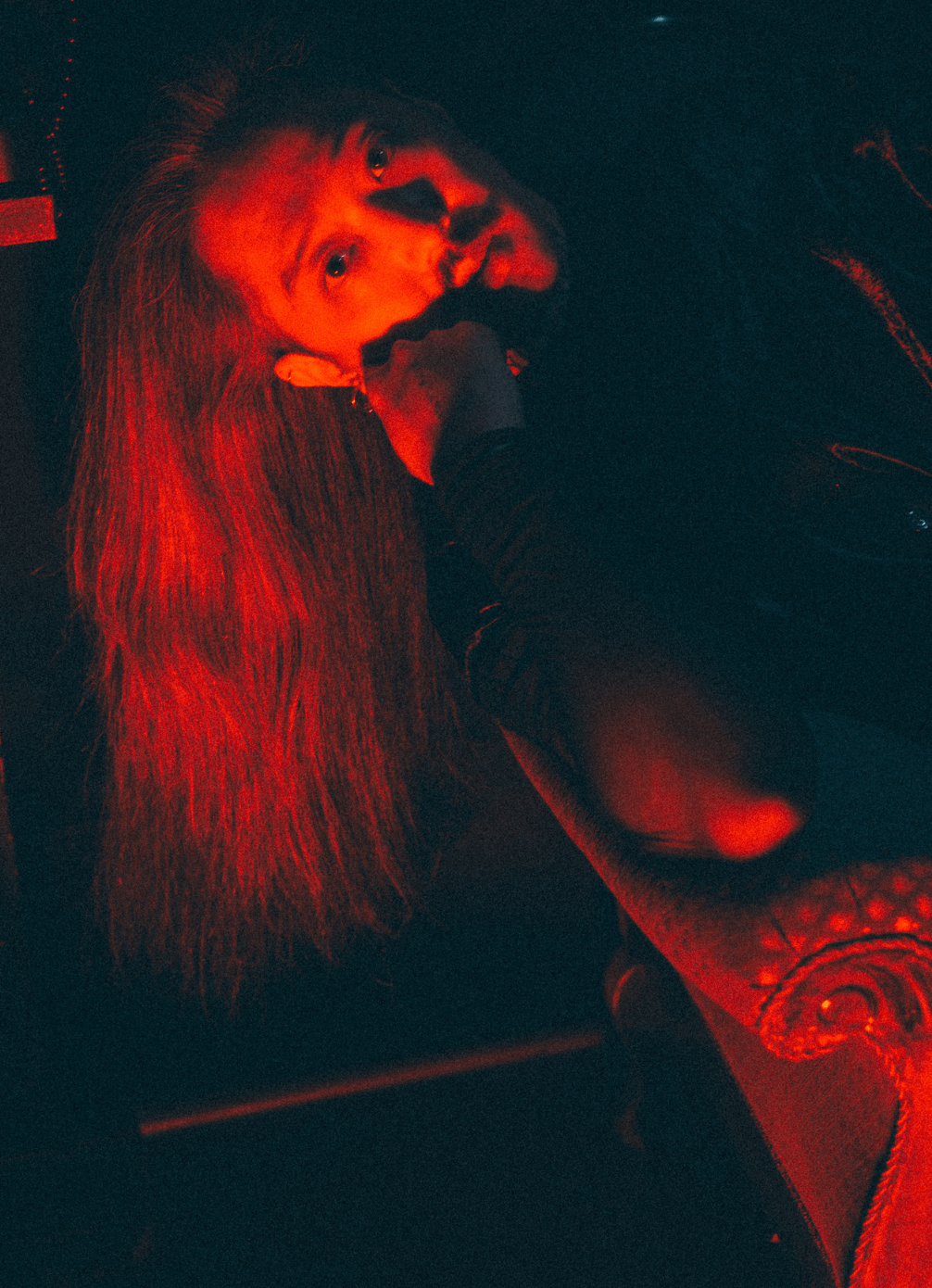
From all of this, Ron plans the session, still loosely, still open. And then, on the day itself, there is a further conversation before the booked hour even starts. A final check-in. A chance to notice what the person brings through the door that no questionnaire could have captured: how they’re sitting, what they’re not saying, where they actually are that day.
Only then the session begins.
In that moment, Ron already knows you better than many of your friends. Maybe even better than you know yourself.
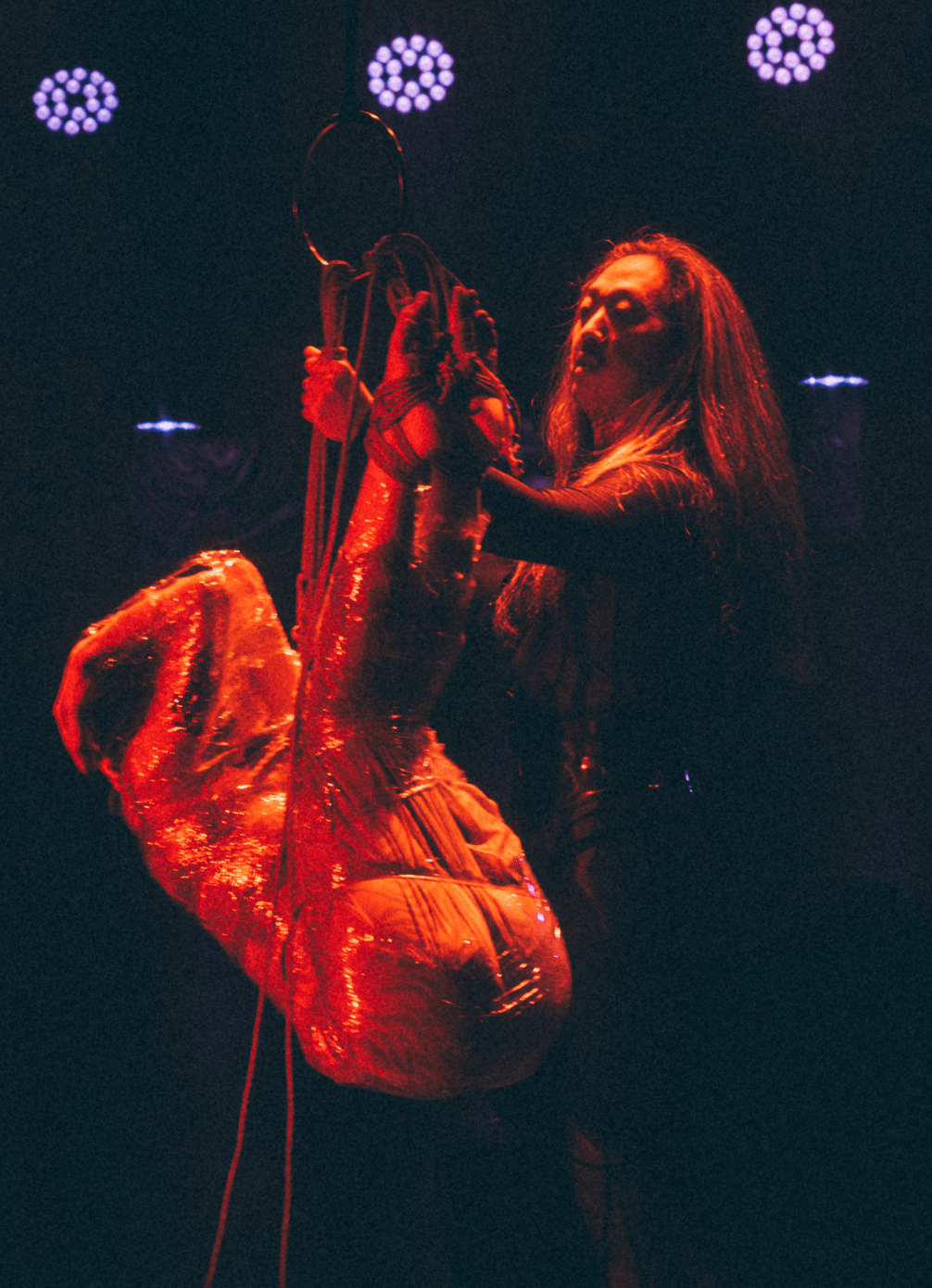
And that’s why you’ll willingly give up control. Let go. Sink into yourself. In the hands and ropes of a builder of fantasies. Ron guides your journey with delicate precision: “I can tell from the smallest movements where someone wants to go. The way they breathe, how their chest rises and falls. The body can tell me a lot.”
And even after all these years of practice, you can still see Ron’s eyes light up when he talks about this erotic art.”
The Difference Between Business And Devotion
Ron sees one person per day. This is not a scheduling preference, it is an ethical position. “If I see someone in the morning and give them everything I have, I don’t have that for the second person in the afternoon,” Ron says. “They’d be paying the same price for something less. That’s not fair.” The energy a session demands cannot be faked, recycled, or rationed. So, it isn’t.
And the care doesn’t end when the hour does. For two to three days after a session, Ron remains reachable, for questions, for emotions that surface the next morning, for anything that needs a moment of contact before it settles.
After that, a full pause until the next appointment. Because the person who gave so much also needs to return to themselves.
This same philosophy carries into Ron’s group workshops. Even in a room full of people, the approach stays individual: “In group workshops I put lots of value into giving individual input to each participant,” Ron says. “It also helps people to explore different aspects of kink and intimacy in safer environments — and to inspire each other.”
The Why Behind the What
Most people, when asked what they want from a session, answer the question they think they’re being asked. They name an activity, a prop, a role. Ron listens, and then asks why.
“If someone says they want to travel to Italy, I ask why,” Ron explains. “Because if they want freedom, I can help with that. If they want to process grief, that’s something else. If they want to work through something that traces back to old experiences, that’s different again. Same destination, completely different journey.”
This instinct didn’t come from a methodology textbook.
It came from how Ron’s own mind works: “I can’t save things in my brain if I don’t understand why,” Ron reflects. “Which helped me a lot in my work, I am always eager to learn why people are interested in something, where it comes from, and what it represents.” That curiosity naturally shaped a teaching style that doesn’t just show people what to do but explains the psychological background, what a practice does to us physically, and what it moves in us mentally.
The surface request, restraint, impact play, and role play are symptoms. The real work is understanding what’s underneath it. What emotional space does this person actually need to enter? What have they been carrying that they’ve never had a name for?
Does Your Porn Define Your Desires? Or Vice Versa?
The problem with going to sex workers is that people often can’t explain what they really want. After all, there’s a sense of shame involved. Ron has a direct method for getting past the social performance of not knowing what you want: “I ask what kind of pornography people watch.”
It sounds blunt. But the logic is precise. What someone chooses to watch privately, regardless of whether they’d ever act on it, is one of the clearest windows into genuine desire. We don’t accidentally watch things that don’t interest us. We select.
“Most people already know what they fantasize about,” Ron says. “What they often don’t know is that it’s allowed. Or they’re afraid that saying it out loud makes them too much. Too strange. Too demanding.”
This is the real barrier, not ignorance, but shame. And the roots of that shame run deeper than personal psychology. “The problem I see most,” Ron says, “is how we learn and teach about how to express desire and set boundaries. We live in a world where someone saying no is viewed as rejection, and people get scared to ask out of fear. It would make our world a lot easier and better if saying no were celebrated instead of treated negatively.”
That’s a quiet but radical reframe consent not as a rule to follow, but as a culture to build. One where a boundary is not a door closing, but a map becoming more honest.
The work of a desire architect is partly to build the space, carefully, personally, without judgment, where that honesty becomes possible. Not as a performance of liberation. As a practical precondition for the session to mean anything at all.
The Framework That Makes Closeness Possible
There’s a seeming paradox in Ron’s work: someone who, in private life, finds unexpected proximity difficult, who prefers clear edges and known limits, is also someone clients trust with a profound degree of emotional and physical intimacy.
The resolution isn’t a paradox at all. “In the session, I know exactly when it starts and when it ends. I have built the frame. Within that frame, I know what’s going to happen and what isn’t. That structure makes everything possible.”
Ron mentions autism briefly and without drama, as a simple piece of context: the clarity of a defined framework enables connection that undefined social situations don’t. It’s not a limitation being overcome. It’s a different architecture for the same thing everyone wants: intimacy. And a hyperfocus-ability is essential for someone who creates very intimate situations.
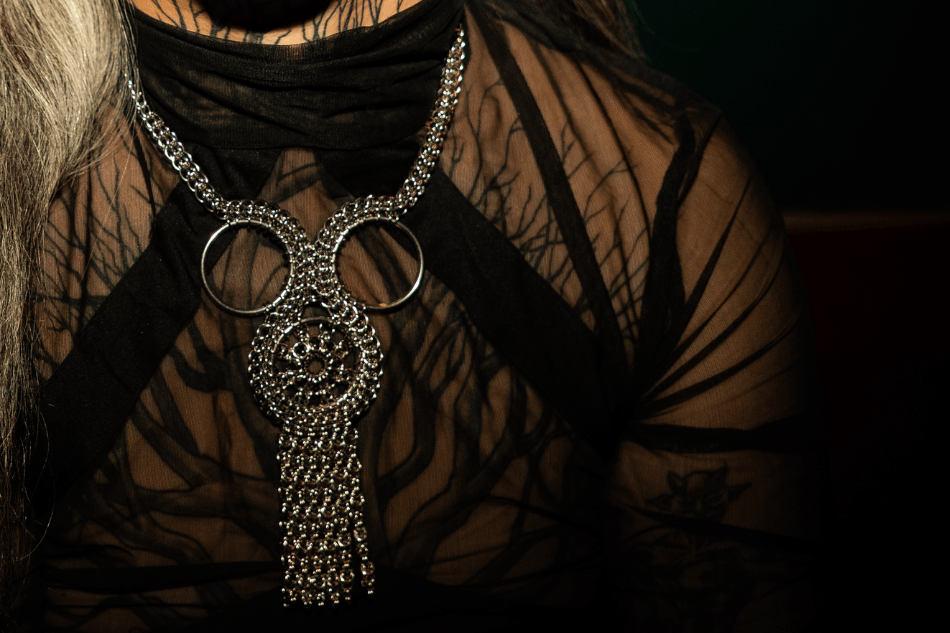
Hyperfocus and obsessive curiosity let Ron dive into another craft: whips, bull whips, and jewelry that doubles as tactile fidget objects (sold under the label AUDHD). These AUDHD pieces began as necessity: quality equipment was expensive and hard to find, so Ron learned to make it. Because Ron just can’t compromise.
In a conversation, a friend said, “Ron is extremely serious about the job. It’s rather a mission. Most people set a high standard and then make compromises for money. Ron doesn’t compromise. Ron stays at the high standard. And lives with what those costs.”
Ron’s response to this was quiet: “Money isn’t something I can take with me when I die. What I can take is the knowledge that I changed something for someone. That they won’t forget.”
Beyond personal integrity – the work, Ron says, is also a form of activism, about how we can experience pleasure and reflect on it in healthier ways.
“As long as I can make one person inspired, and they learn more about themselves and their desires, and they pass that passion and inspiration to the next person, that’s all I care about. It all starts small. But with many small steps, maybe we can make it better for everyone.”
This is the clearest possible definition of what it means to treat sex work as an art form, not in the elevated, euphemistic sense that distances it from labor, but in the serious, exacting sense that demands it be done completely – or not at all.
NOTE
Ron Hades has chosen to exist without pronouns. Not as an omission, but as a statement. In a world that insists on categorizing bodies and identities, refusing a pronoun is its own form of architecture, building a self that doesn’t fit the available boxes. We honor that choice throughout this article by using only the name Ron.
For us, this kind of encounter, with Ron, as before with others like Robyn, is more than an editorial decision. It’s a practice. Not always easy. We make mistakes. But every time we catch ourselves reaching for a shortcut that language has trained us to take, something shifts. A small freedom. A crack in a thought pattern we didn’t know we were carrying. That, too, is what this work is about.
—-
Find Ron Hades on Sensuali.com and discover Ron`s full range of services.
Sensuali invites you to explore a curated selection of sensual professionals across BDSM, erotic massage, coaching, arts & more. Discover a wide range of sensual experiences and events, both online and offline.
Join as a member or provider and become part of a growing community of sensual explorers.