The Body as a Beginning
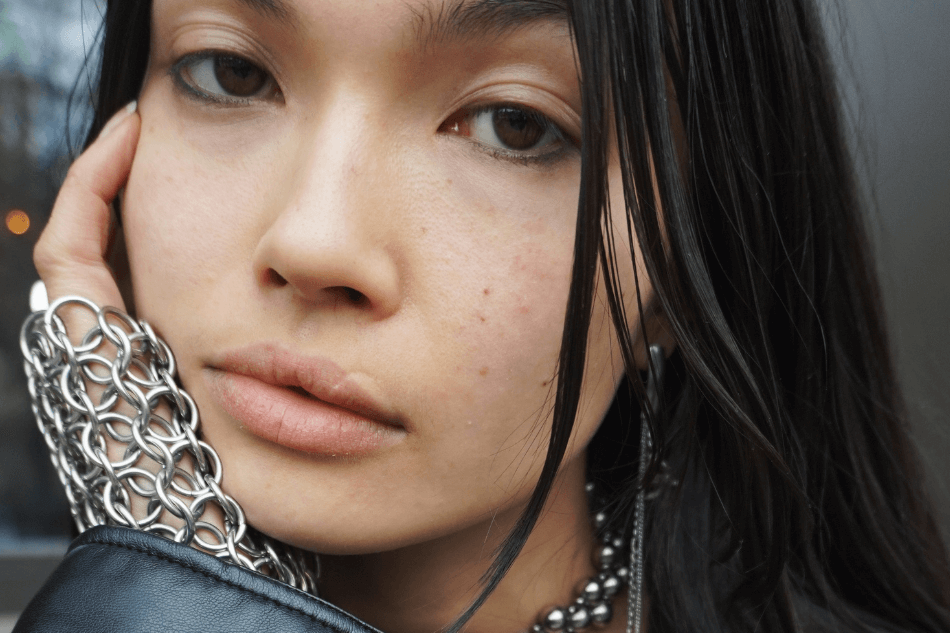
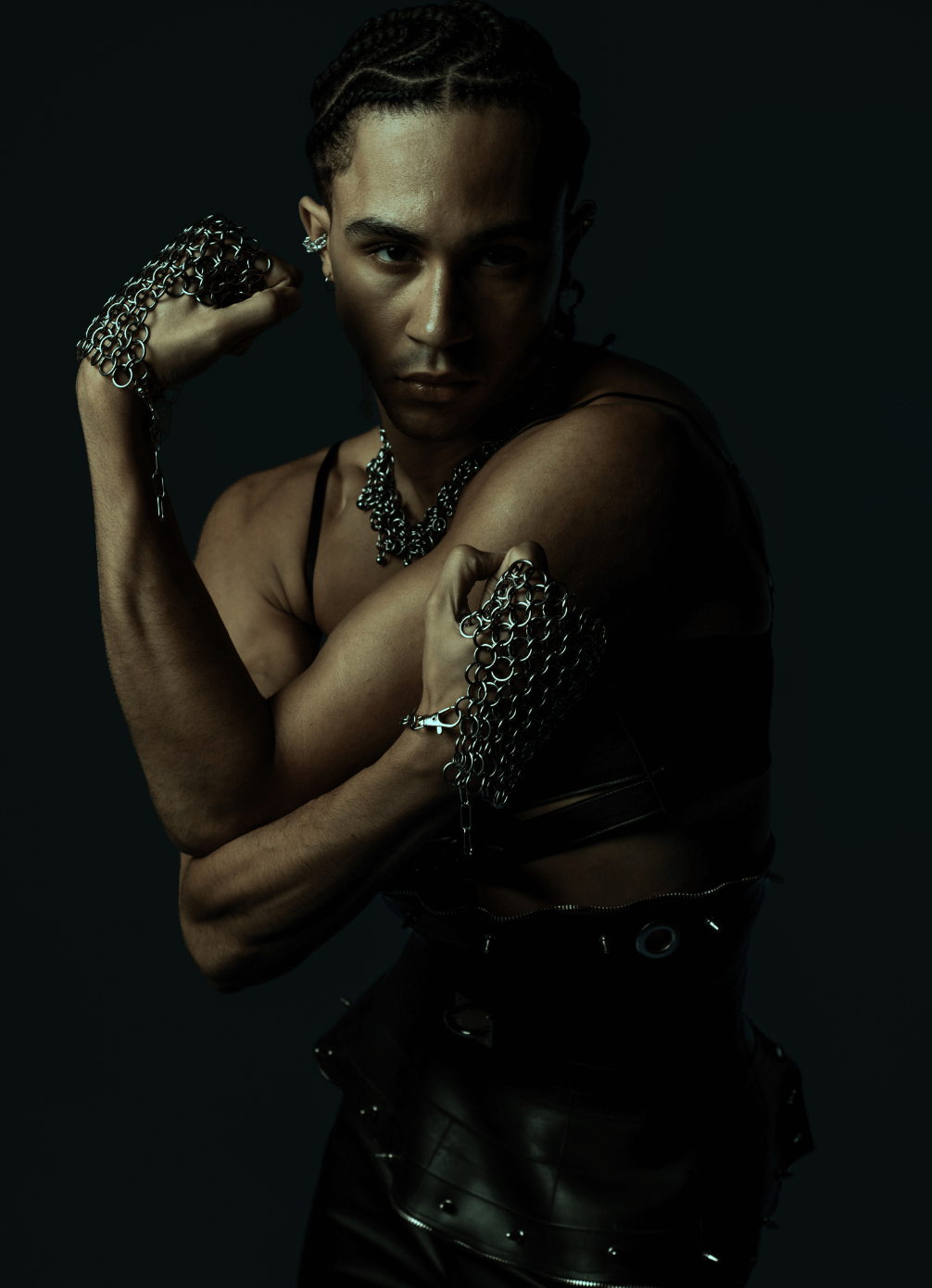
At first glance, her designs appear like armor: chains, veils, drapes, cuffs. But their purpose isn’t defense. Each ring and chainlink expresses something about the person who wears it. In a world that teaches us to hide or conform, Genevieve’s body art invites visibility and ownership.

Berlin as a Body Art Catalyst
Genevieve has lived in Berlin since 2018.
“The freedom the city gave me allowed me to pursue something I’m truly passionate about, not just what society told me would be ‘honorable’ work,” she says.
“Moving to Berlin completely clashed with my conditioning, but it made me realize I was capable of creating my own path.”
Berlin, with its openness and contradictions, became a place where her ideas could take form.
“By doing and sharing your craft, you attract others with similar or creative intentions. That really allowed me to fully accept it.”
Her creative practice, centered on body art, reflects that environment. An intersection of experimentation, identity, and material honesty.
Roots and Inheritance
Genevieve traces her artistic beginnings to early childhood.
“My sister and I collected beads when I was a kid. For my birthday, I’d get art kits, and one had paper beads. That taught me you can make jewelry out of anything.”
That early awareness, that creativity with observation and play, still informs her work. Her later training as a dental technician connected technical precision with anatomy and form.
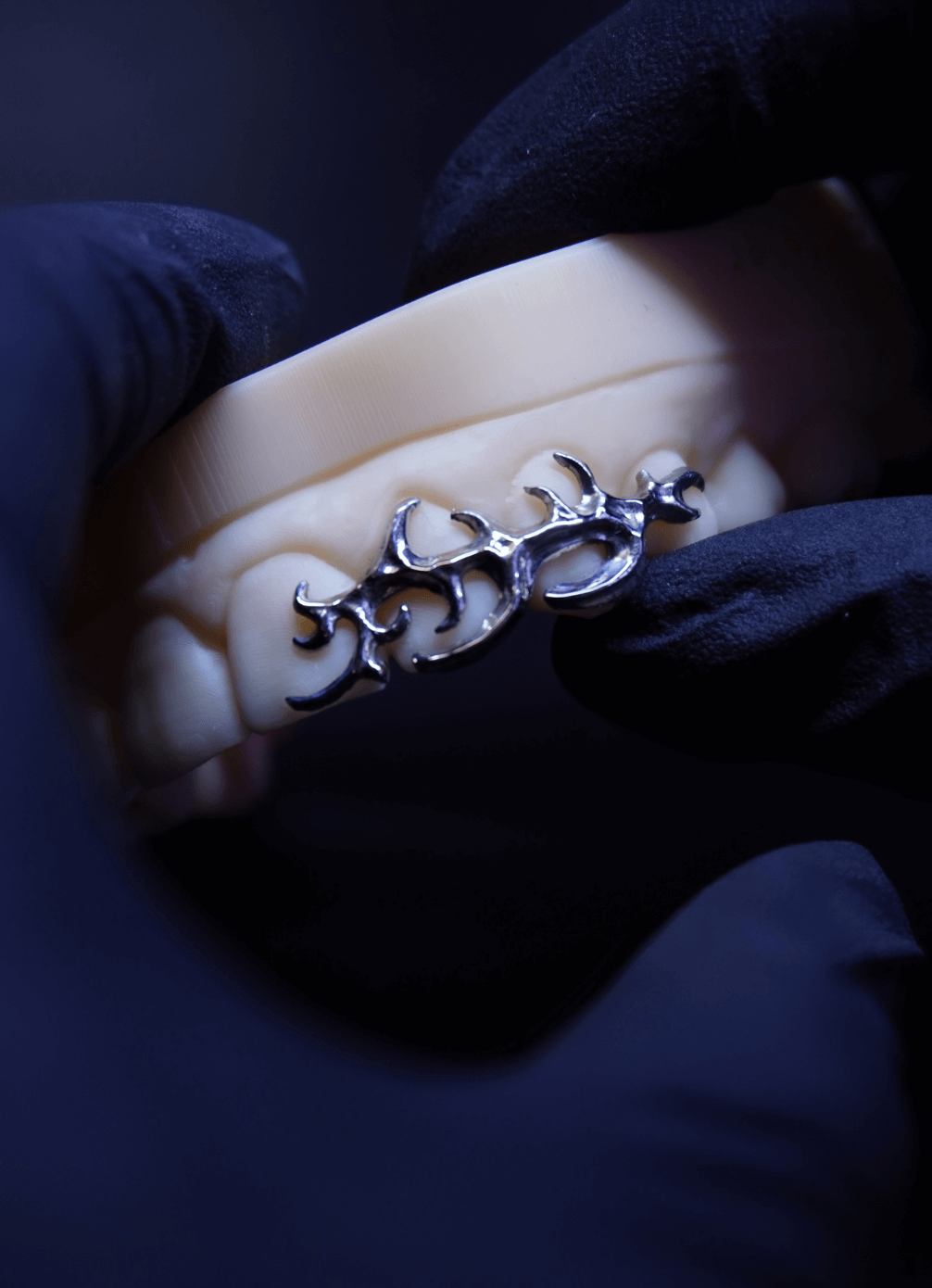
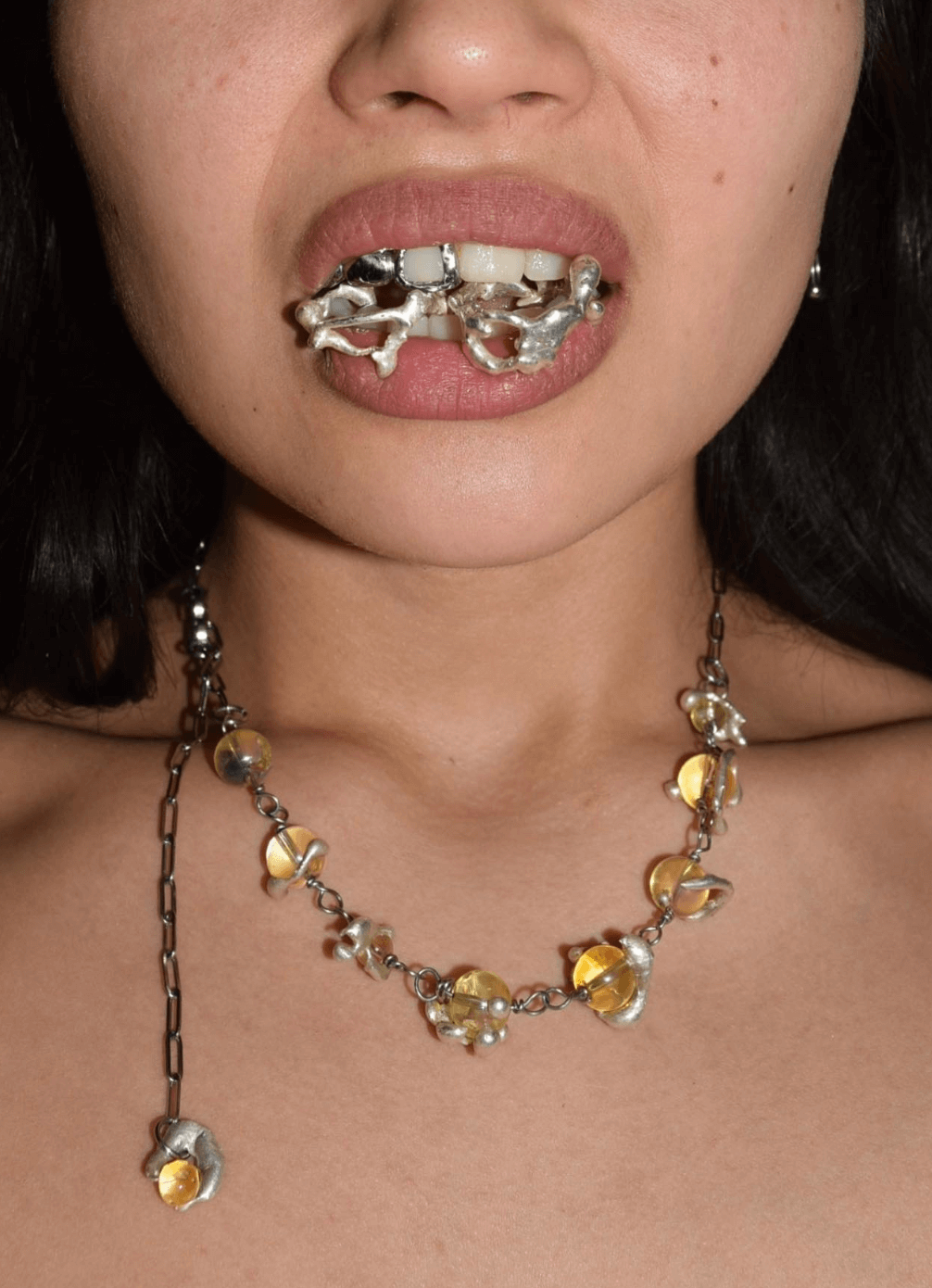
“I studied to become a dental technician, and now I create not only jewelry but also grillz,” she says. “It’s all connected: working with the body, materials, and transformation.”

When her grandmother passed away, Genevieve found a new source of connection.
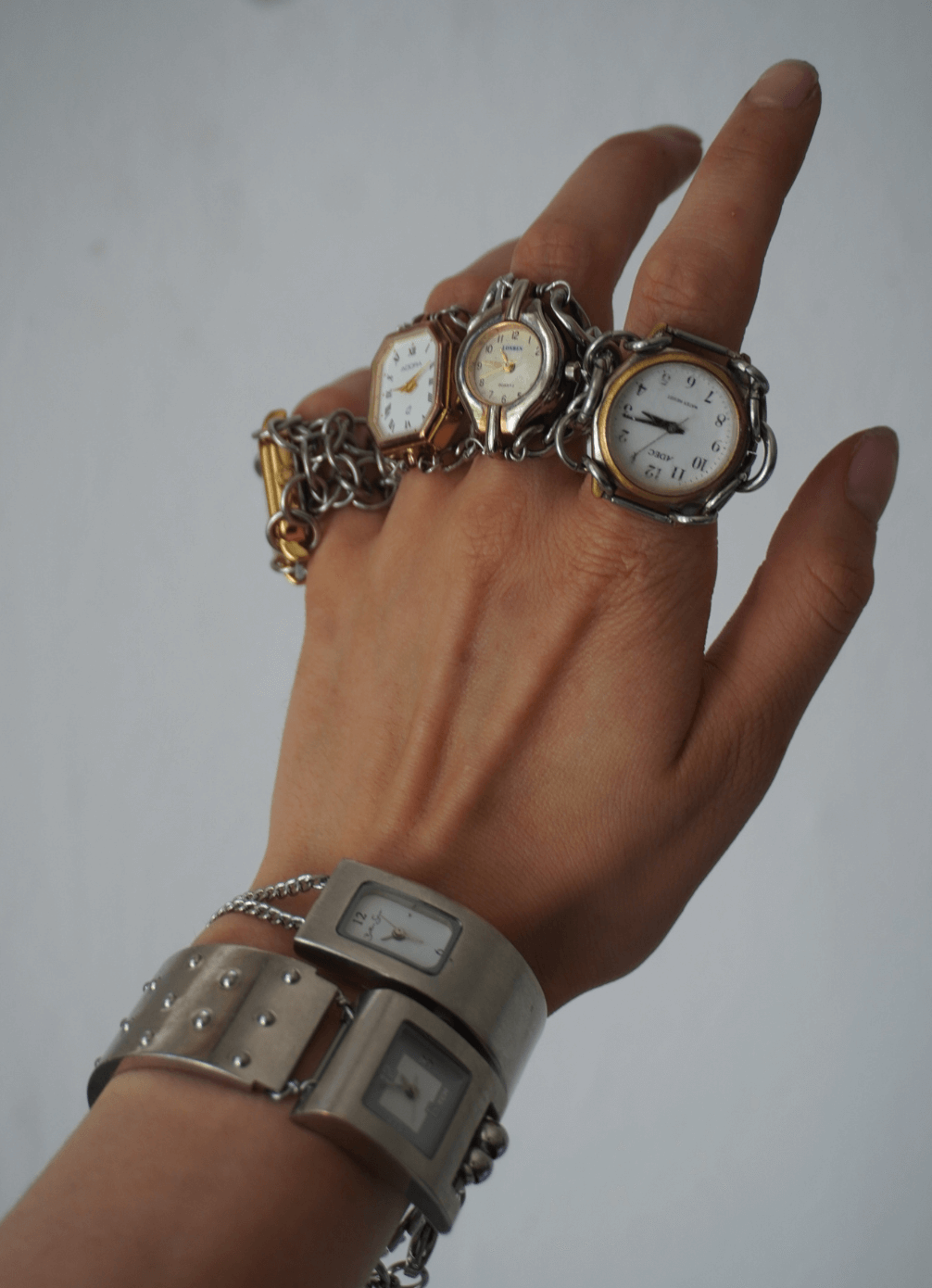
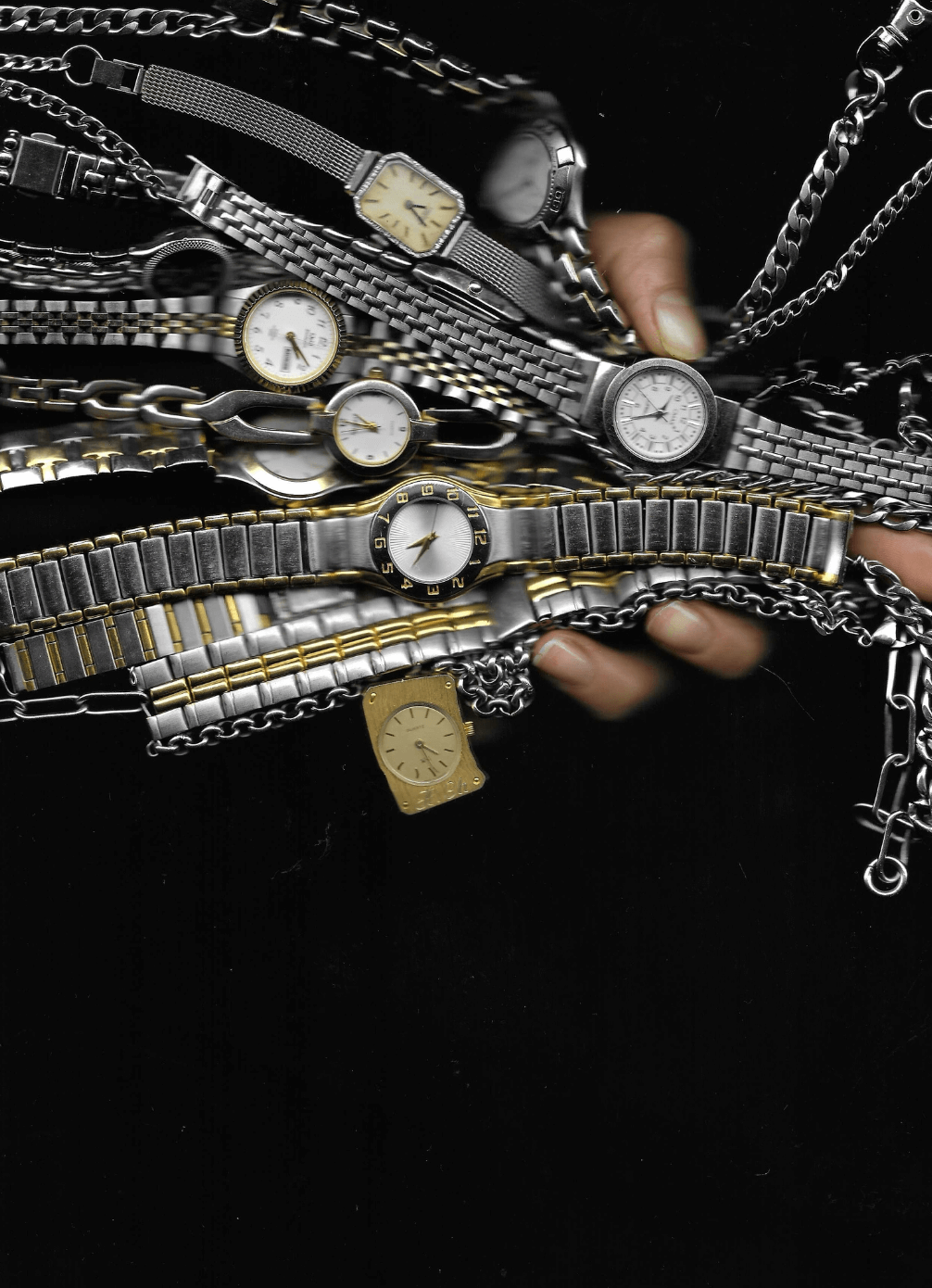
“She was a true collector. She sold jewelry and trinkets at flea markets. When she died, I got a photo of her and her jewelry box. I couldn’t just let the pieces collect dust. I started reworking them, combining them with thick silver chains I love. That awakened something in me, and I couldn’t stop.”
Her work continues that legacy, turning inherited materials and memories into wearable objects that carry continuity and renewal.
The Body as a Canvas for Unique Body Art
At Genevieve the Label, a nose cuff costs six euros, a chain veil 250, and chainmail armor 480.
These are not categories of value but of transformation.
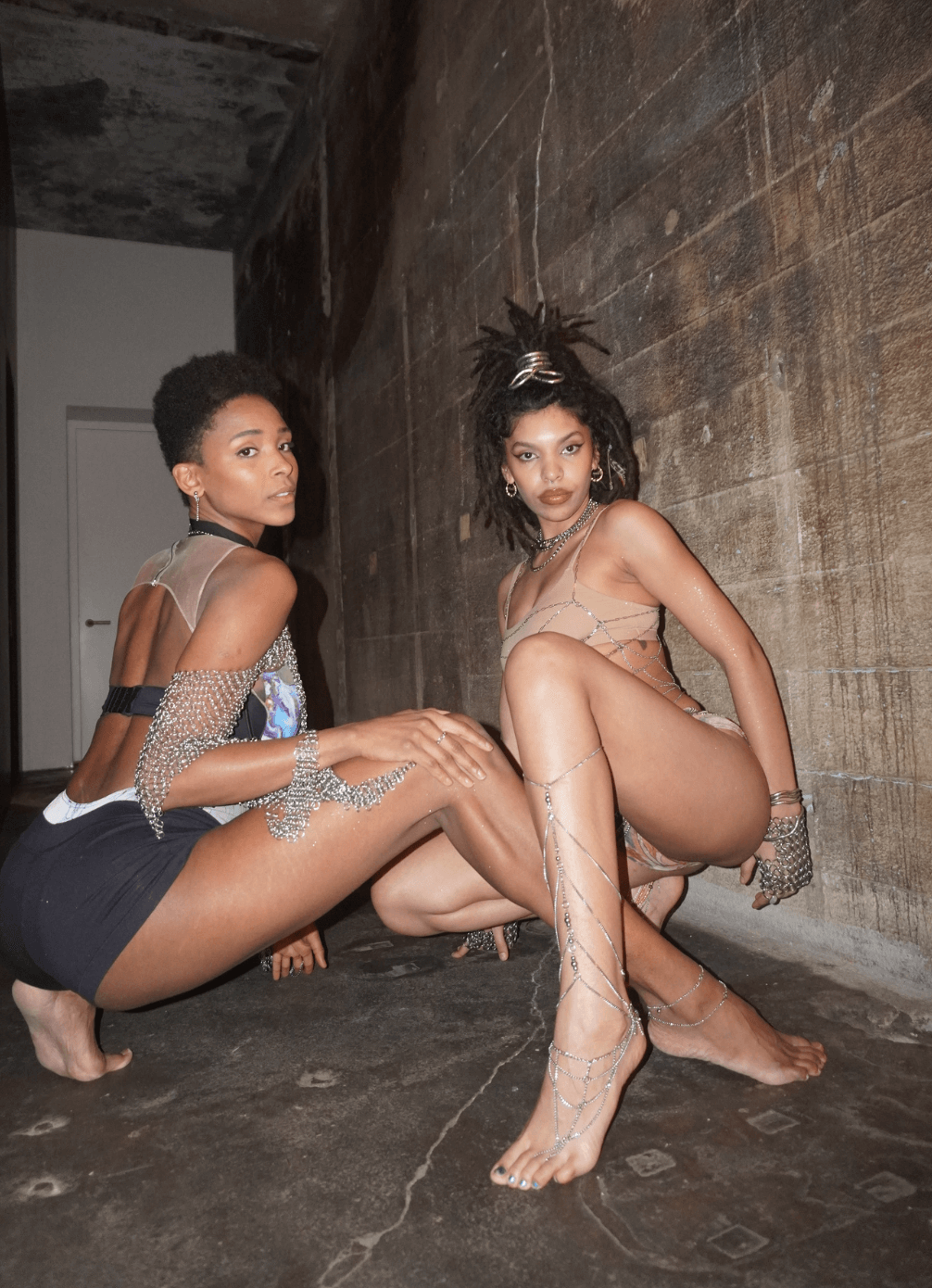
A nose cuff slightly shifts the lines of a face. A chain veil reframes the features into motion. A shoulder drape alters the body’s silhouette. Between them exists a spectrum of physical expression that moves from subtle to sculptural.
“Jewelry has the power to shift how someone feels in their body and how they express themselves to the world,” she says. “When I wear my heavy designs, the alter ego in me comes out.”
Her pieces are collaborations between material, maker, and wearer. Each one shapes and responds to the body it adorns.
Between Protection and Visibility
Historically, chainmail was armor. In Genevieve’s work, it becomes communication.
Instead of hiding, it frames. Instead of shielding, it amplifies.
“I’ve always been a bit obsessed with figures and forms,” she says. “I’m diverse. Not just ethnically, but in everything I do: dance, painting, sculpting. I’ve never liked strict ideas of identity or labels.”
The same material once used to protect from attack now creates presence that is visible, tactile, and deliberate.
Body Art that’s Sustainable and Accessible
Her design philosophy links aesthetics with ethics.
“I want to create pieces that let people express themselves freely, without guilt or limits,” she explains.
“Fashion should be accessible and sustainable. It doesn’t sit right with me to make things unaffordable ‘just because’ I’m a designer.”
Her view of body art connects creativity with responsibility.
“There are so many materials that are sustainable. Jewelry can be a force for good if we honor what we use. I want my work to inspire creativity and individuality, while respecting people and the planet.”
Each piece is designed to be durable, personal, and made without exploitation which is a counterpoint to fast fashion’s disposability.
The Community Dimension
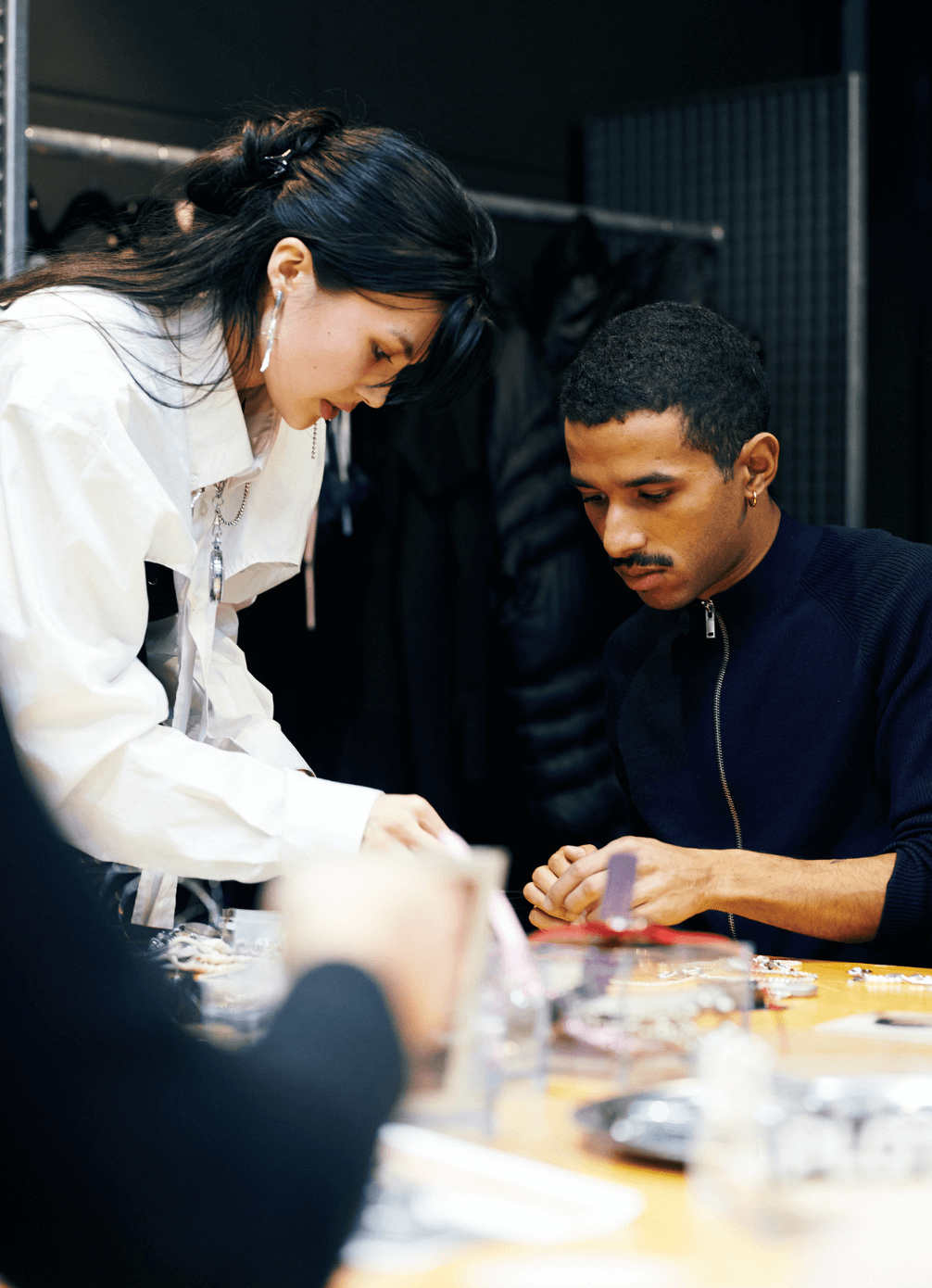
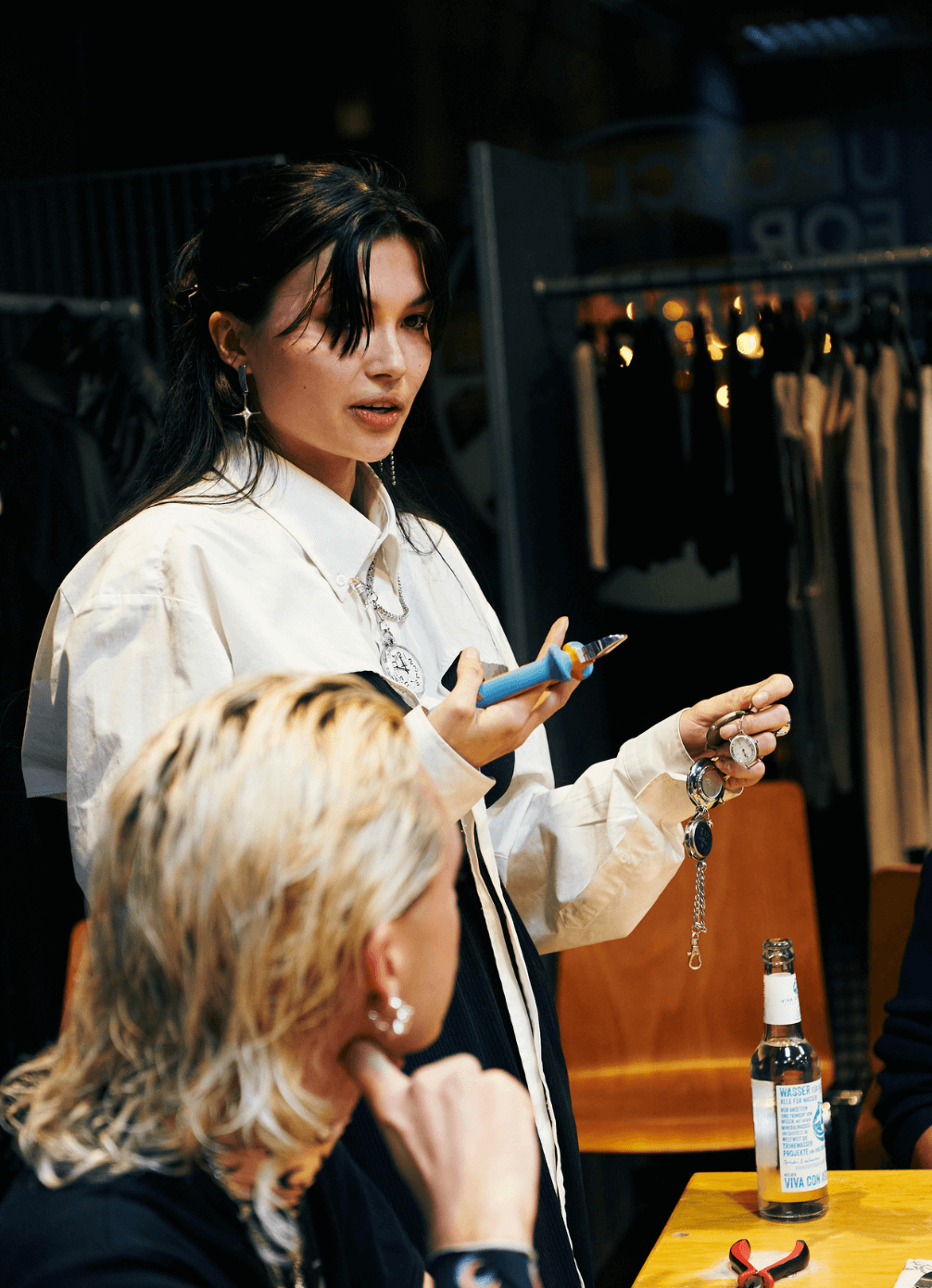
“I love the community I’m building through workshops, fashion shows, and events,” she says. “I hope to nurture these connections. I’m constantly inspired by others; their creativity pushes me to grow.”
Her practice includes dialogue and collaboration as integral parts of design. The process extends beyond the finished object into relationships with materials, wearers, and fellow creators.
Beyond Labels: Freedom as Craft
“I’ve always felt a bit different, like I don’t belong in one box,” she explains. “Maybe that’s why I’ve never liked strict ideas of identity or labels.”
That outlook shapes her approach to both form and philosophy. Her work doesn’t ask people to fit a predefined identity. It offers tools to express their own. In this way, her chainmail pieces act as material affirmations of autonomy.
Berlin’s atmosphere of experimentation provides a natural setting for such ideas. Body art here is not ornamentation, but declaration and a visible statement of freedom.
The Body Art Process as Meditation
“I hope I can continue to create without force,” she says. “I see it as my meditation, my outlet, and want to keep letting ideas come to me and creating from there.”
Her words describe a method grounded in continuity rather than urgency. The process of making connecting rings, shaping chains, and combining textures becomes a form of attention.
In her studio, identity is fluid, not fixed. Each chain she links is another small refusal to be reduced to a label.
Body art, in her hands, is not performance or protection. It is a method of being present with oneself, one’s materials, and the world.
For more like this, subscribe to our Sex & Society newsletter– weekly insights on culture, politics, and desire, plus exclusive access to BERLINABLE’s curated stories.
Your sex life will thank you.