But let’s ask the hard question:
Is bodily autonomy a lived reality… or a seductive illusion?
Defining Bodily Autonomy

Bodily autonomy is the right to make decisions about your own bodily without coercion or pressure. It sounds straightforward, almost obvious. I mean, whose bodily is it, if not ours? But in practice, autonomy isn’t always something we have. It’s something we’re constantly fighting to reclaim.
The Illusion of Choice
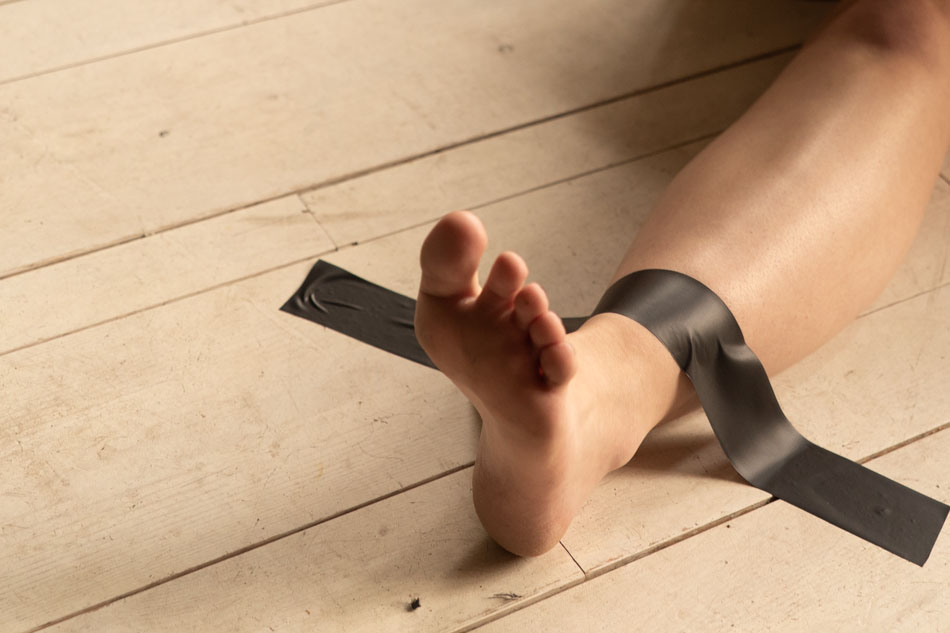
We love to talk about freedom of choice. But how “free” are your daily decisions, really?
Think about getting dressed this morning. Was your outfit based purely on comfort and joy, or did your mind flip through a checklist, “What will people think? Does this flatter me enough? Will I be taken seriously?”
Even in supposedly liberated settings, our choices are shaped by societal pressures: age, gender, bodily type, location, race, class.
Take a man headed to a high-ranking corporate job. Sure, he might choose between a red or blue tie. Maybe wear quirky socks. But beyond that? The script is written for him. And for women, queer folks, or those with sensory sensitivities? That script often comes with even tighter margins and higher stakes.
When Bodies Become Trends
Here’s where things get really wild. That little critical voice in your head – you know, the one that gives you unsolicited commentary every time you pass a mirror? It didn’t just appear out of thin air. It’s been carefully curated by decades of TV shows, awkward locker room moments, family dinner comments, and about a million other external influences.
The most obvious tell-tale sign that the way we want our bodies to look isn`t dictated by constantly shifting beauty standards.
For women, we went from Twiggy’s rail-thin frame in the 1960s to, more recently, Kim Kardashian’s curves. For men, the 1920s slim and athletic Hollywood bodily rose to fame, up until the muscular “action figure look” of the 1970s took over.
These are just a few examples and time periods. Almost every decade (sometimes even less!) has their own beauty ideals. Treating bodily types like fashion trends makes no sense. Your skeleton isn’t about to swap shapes just because what’s “in” this season changes.
“It took the beautiful and awkward four years of undergrad for me to accept my jiggle, stretch, and curve.” – Kwynn Riley
Welcome to the Insecurity Economy
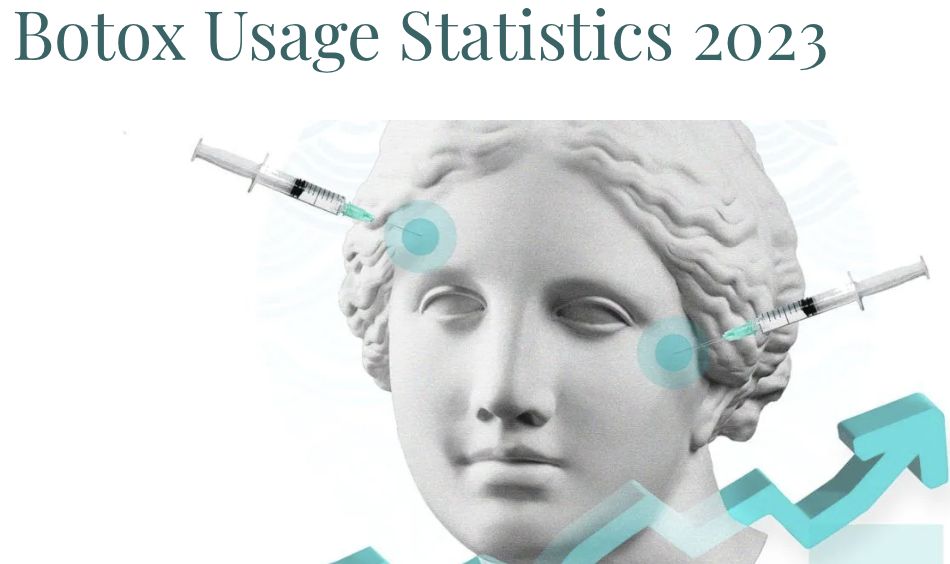
This constant bodily-shifting isn’t accidental; it’s profitable.
The beauty, fitness, and wellness industries are built on your self-doubt. Every time you’re told your natural bodily is a problem, there’s a product ready to “fix” it. Stretch marks? Laser them. Lips too small? Fill them. Skin too textured? Here’s a ten-step serum routine. This isn’t self-care. It’s capitalism disguised as empowerment. According to Statista, “The Beauty & Personal Care market worldwide is projected to generate a revenue of US$677.19bn in 2025.”
Also, over 7.3 million botox were recorded worldwide in 2021 and jumped to 9.2 million in 2022, making a 26.1% increase (SpaMedica).
Of course, people say, “I do it for myself.” And sometimes, that’s true.
But ask yourself, if you were the last person on Earth, would you really be using lip filler or laser hair removal?
Autonomy in the Bedroom

Bodily autonomy doesn’t disappear in the bedroom, but it does get murky. How we feel about our bodies directly affects our ability to experience pleasure. Shame and self-consciousness take us out of the moment, replacing sensation with performance anxiety.
Society teaches women to give pleasure and look sexy, not necessarily to receive or feel. Society pressures men to meet metrics: hardness, endurance, control. Non-binary or neurodivergent folks often find themselves completely left out of the narrative.
And so, sex becomes a performance, not an exploration.
A 2020 study in The Journal of Sexual Medicine found that bodily dissatisfaction significantly reduced women’s ability to orgasm during partnered sex.

When we’re stuck in our heads wondering how we look, if we’re doing it “right,” or if we’re sexy enough, we lose touch with our desires. We disconnect from both ourselves and our partners. This disconnect also blurs the clarity of consent. “I thought she was into it,” or, “he must have wanted it that way,” are often assumptions based on performance scripts, not authentic responses.
What Now?

Reclaiming bodily autonomy isn’t about having a perfect relationship with your bodily. That’s just another impossible standard, this time wrapped in ‘self-love’ language.
Instead, it starts with noticing.
- Am I doing this for me or for approval?
- Do I actually like this, or have others told me I should?
- What would I choose if no one was watching?
You don’t need to be confident every day or post selfies to prove empowerment. You just need to question and keep questioning.
Tiny Acts of Reclaiming:
- Wearing something that feels good just to you.
- Saying no to a beauty routine you’ve outgrown.
- Taking up space in sex without apology.
- Letting yourself be unedited.
- Your bodily? Yours.
- Your sexuality? Yours.
- Your pleasure? Also yours.
Bodily autonomy starts in your mind: by recognizing all the ways others have told you to shrink, expand, perform, or hide parts of yourself. It grows when you start questioning those messages and choosing what actually works for you.
We don’t need to fit into neat little boxes. We never have, and we never will. And honestly? That’s exactly as it should be.
You have something to say? We want to read it.
BERLINABLE‘s Open Source Initiative – because the most interesting thoughts often come from unexpected places. Write about sexuality, culture, politics, society. Whatever makes the world more honest, more curious, more real.
Submit content with relevance and professional quality standards. Together, we’re building a platform where voices drive cultural change.
The decision about publications lies with us.
Submit your text: editorial@berlinable.com
Open Source stands for diverse discourse.