Some films want to be watched.
Others want to be entered.
Vex Ashley’s work belongs to the second category.
It doesn’t offer comfort, resolution, or a clear narrative arc. It offers atmosphere. Sound. Intensity. Sometimes too much of it. And it asks something rare of its audience: not understanding, but presence.
We met Vex for a long conversation that moved slowly, looped back on itself, drifted into side paths and returned again. What follows is not a manifesto, not a statement, and not an argument about porn, art, or politics. It is an encounter with an artist who treats sex not as an image to be optimized, but as an experience to be translated.
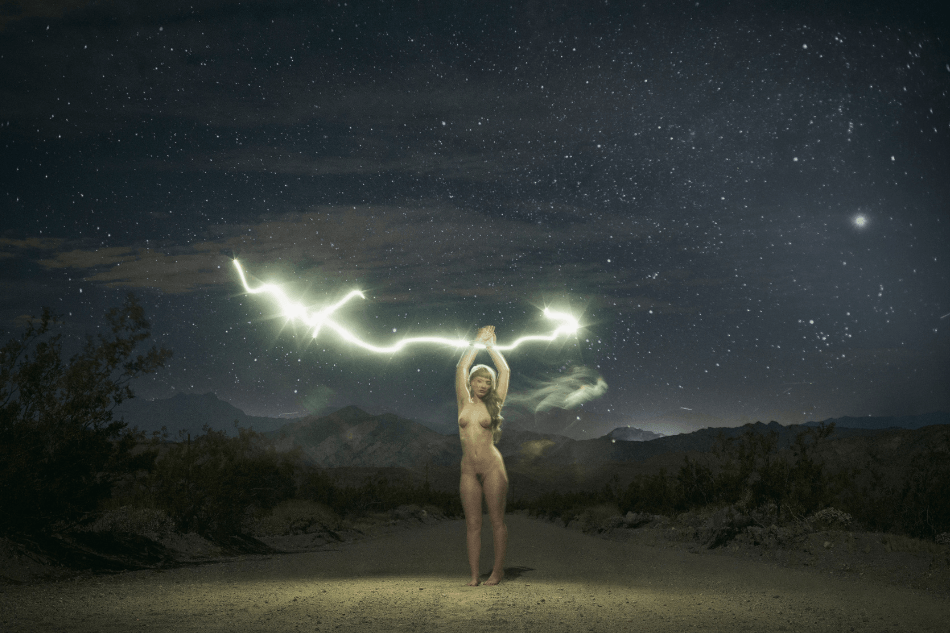
“Pornography Has Always Existed on the Margins”
Vex Ashley began working in porn around 2011 — a moment when the internet still allowed for porous spaces between the personal, the erotic, and the artistic.
“There used to be more in-between spaces,” she says. “Platforms like Tumblr allowed erotic content to exist alongside writing, references, personal blogging. Porn-adjacent, but not purely commercial.”
Those spaces are largely gone. What remains is separation: porn on porn sites, public life elsewhere. For Vex, this shift didn’t just change distribution. It changed what could be made at all.
“I don’t think Four Chambers would exist if I were starting today. I wouldn’t have had the freedom to explore work that doesn’t neatly fit into a category.”
She doesn’t speak about this with nostalgia or bitterness. It’s an observation, not a complaint. Porn, for her, has always existed under pressure — cultural, economic, moral. Flexibility isn’t a strategy; it’s a condition.
Porn or Art Is the Wrong Question
At some point in the conversation, the question comes up anyway. Is what she makes porn, or is it art?
Vex doesn’t hesitate.
“I get paid. People pay to watch me fuck. So yes — it’s porn.”
But the insistence on separating porn from art feels misplaced to her. Not because she wants to elevate porn into something else, but because she refuses the hierarchy implied by the distinction.
“I’ve seen a lot of bad art and a lot of incredible porn. They’re not mutually exclusive.”
What matters isn’t the label, but the lens. Porn is a medium — like cinema or literature. The question isn’t what category it belongs to, but what it communicates, and how.
Sex Is Not a Visual Experience
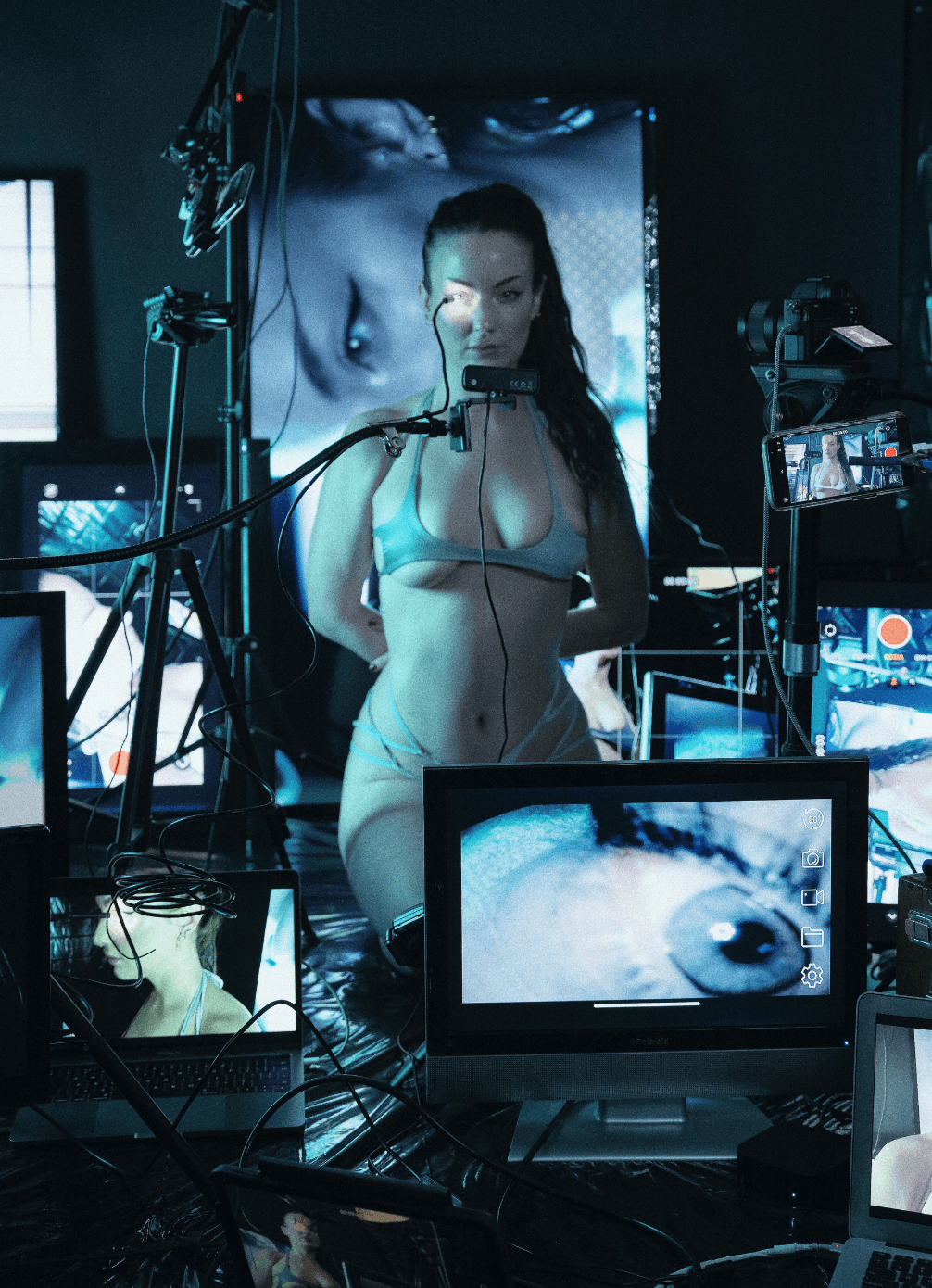
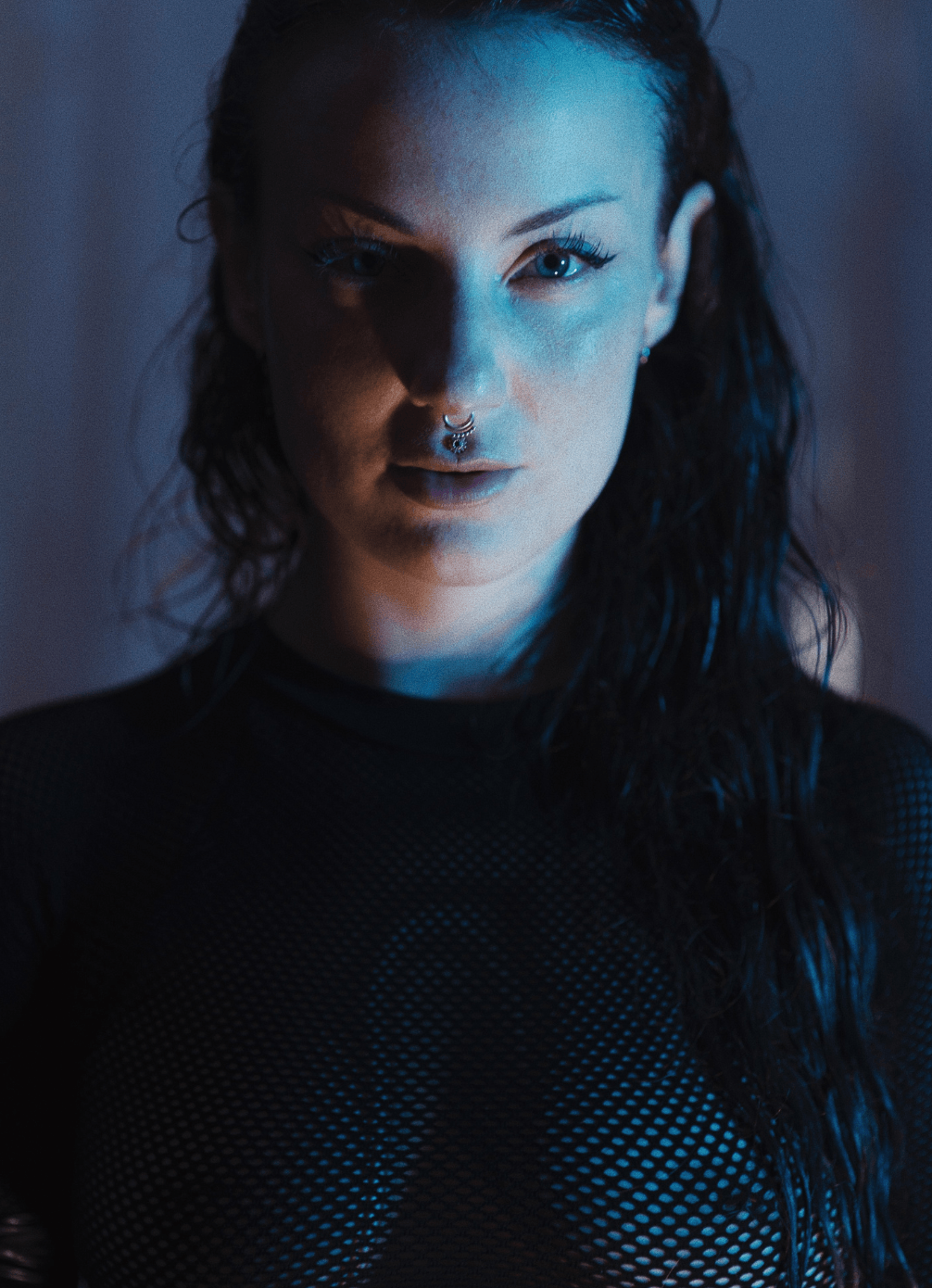
What makes Vex Ashley’s work immediately distinctive is not its explicitness, but its sensory density.
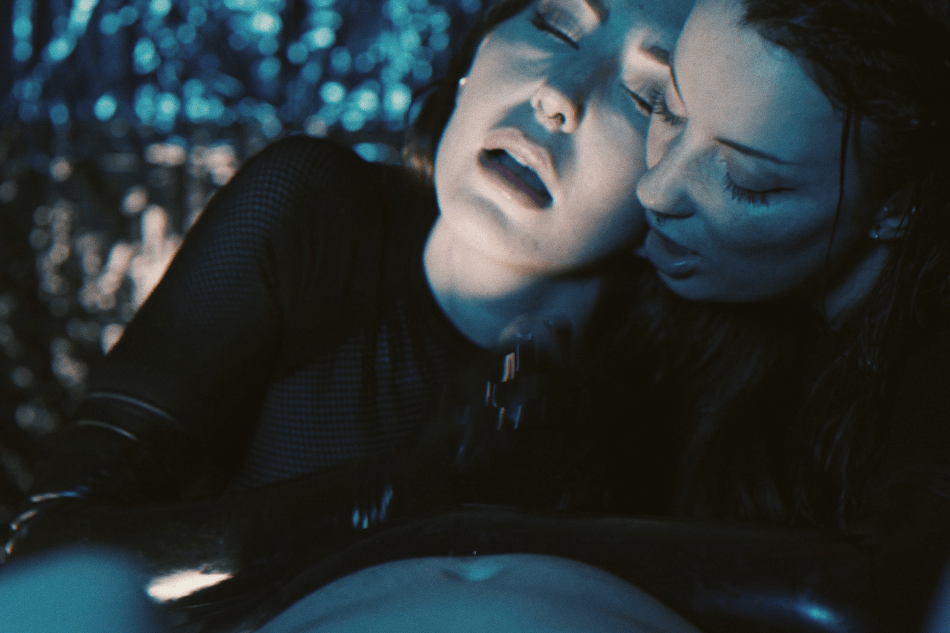
Sound is loud. Music is intrusive. Editing can feel overwhelming. For some viewers, it’s too much.
“That’s intentional,” she says. “I’m not trying to show sex. I’m trying to communicate what sex feels like.”
Sex, in her understanding, is not a clean visual sequence. It’s overstimulation. Breath. Noise. Rhythm. Discomfort. The body struggling to process sensation.
“Silence would feel less human to me. The sounds are what make it real.”
She is aware that this choice alienates some viewers — including neurodivergent audiences who may find the sensory load difficult. But that, too, is part of the work.
“Not everyone experiences sex the same way. Why should the representation pretend otherwise?”
Refusing Functional Porn
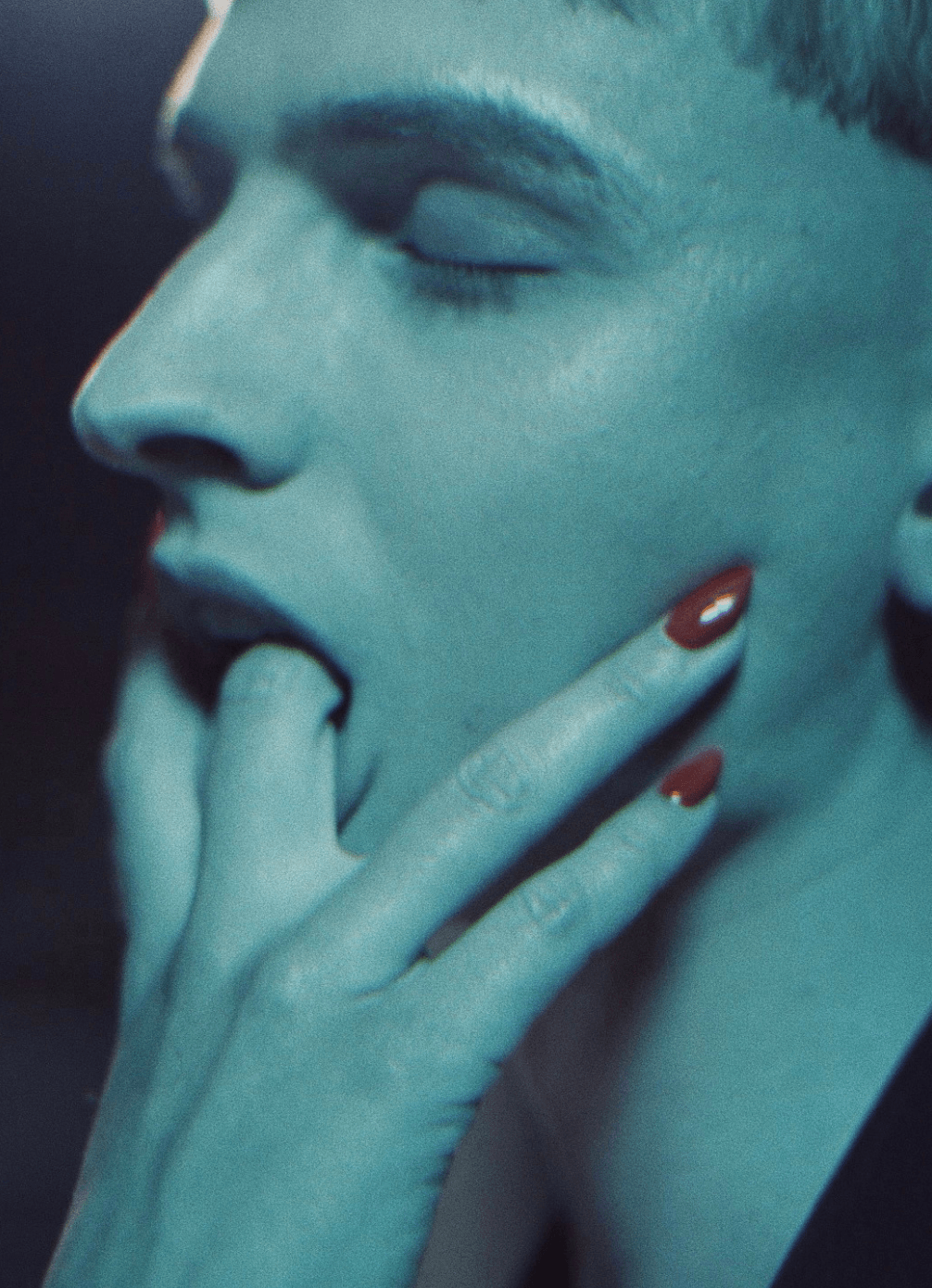
One of the most striking things about Vex’s approach is what she does not optimize for.
She doesn’t design her films to be easily masturbated to.
She doesn’t simplify them to guide arousal.
And she doesn’t resolve tension for the viewer.
lass=”yoast-text-mark” />>Some people masturbate. Some watch analytically. Some turn it off.
“All of that is fine,” she says. “What the viewer brings determines the experience.”
This refusal to make porn functional — to solve a problem for the audience — places her work in an unusual position. It doesn’t instruct, satisfy, or reassure. It simply exists, and allows multiple readings without privileging one.
Writing as Archive, Not Explanation
Alongside the films, Vex has always written. Texts that accompany releases. Notes. References. Personal fragments.
“I love writing,” she admits. “It’s a sketchbook. A diary.”
The writing is not there to explain the films. It doesn’t translate them into theory or intention. It exists in parallel — another layer of the same practice.
She traces this directly back to Tumblr, to a time when the internet allowed for messy, curated archives of influence and thought.
“I want my Tumblr back,” she says, half joking, half serious.
The Body as Medium, the Body as Memory
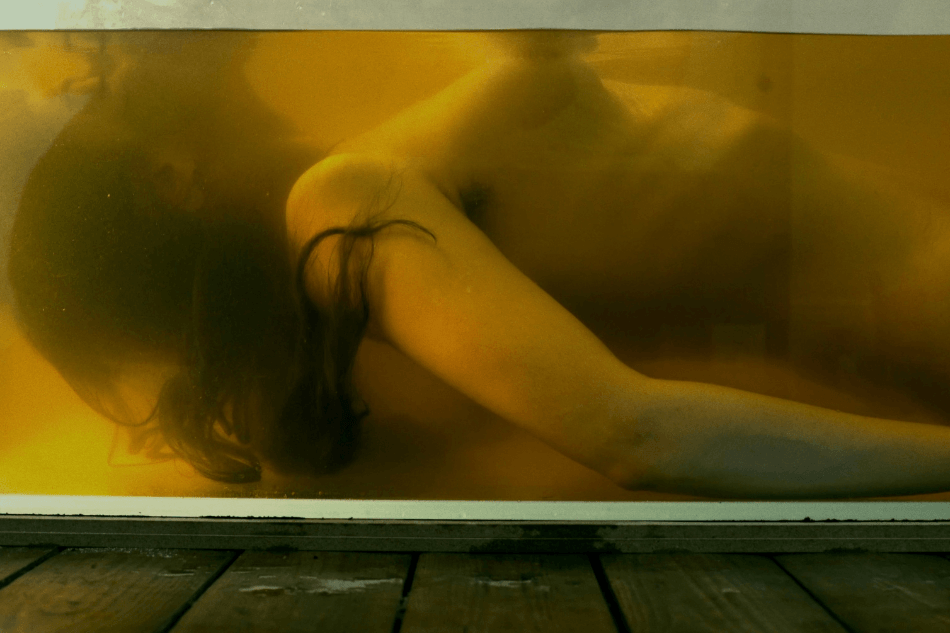
Over more than a decade of work, Vex has used her own body not simply as a site of performance, but as material — something that carries time, repetition, and exposure.
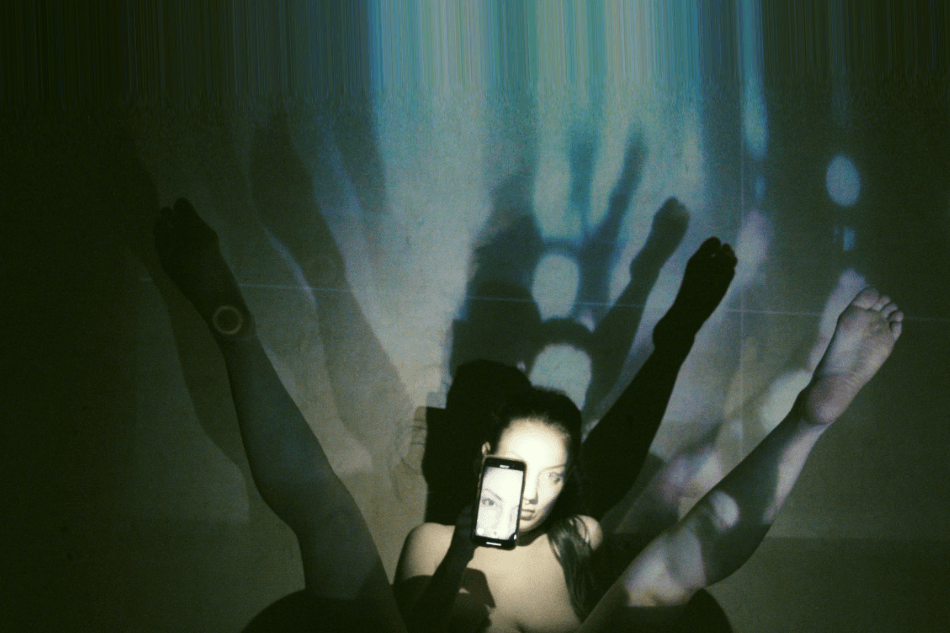
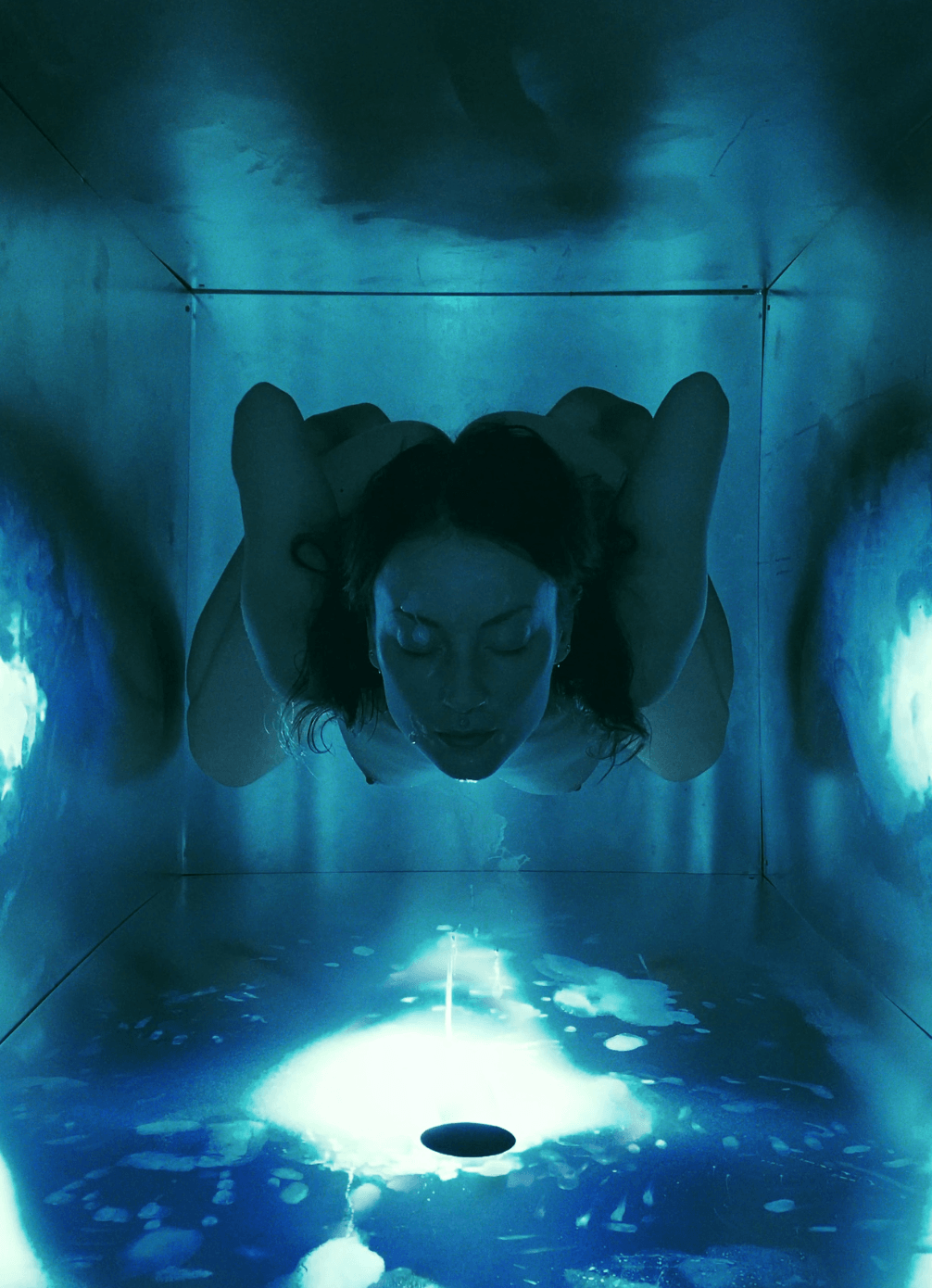
This becomes especially clear in her mirror project: a film and later an installation built around a hexagonal mirrored room.
“After ten years of turning myself into an image online, I was thinking about what that does to your sense of self.”
Inside the mirrored structure, there is no outside view. Only endless reflections. The effect is erotic, but also claustrophobic.
“It’s hot,” she says, “but it’s also a prison.”
Later, audiences were invited to physically enter the structure themselves. The work moved from screen to space, from representation to embodied experience — a shift that felt inevitable rather than conceptual.
Liberation Without Mythology
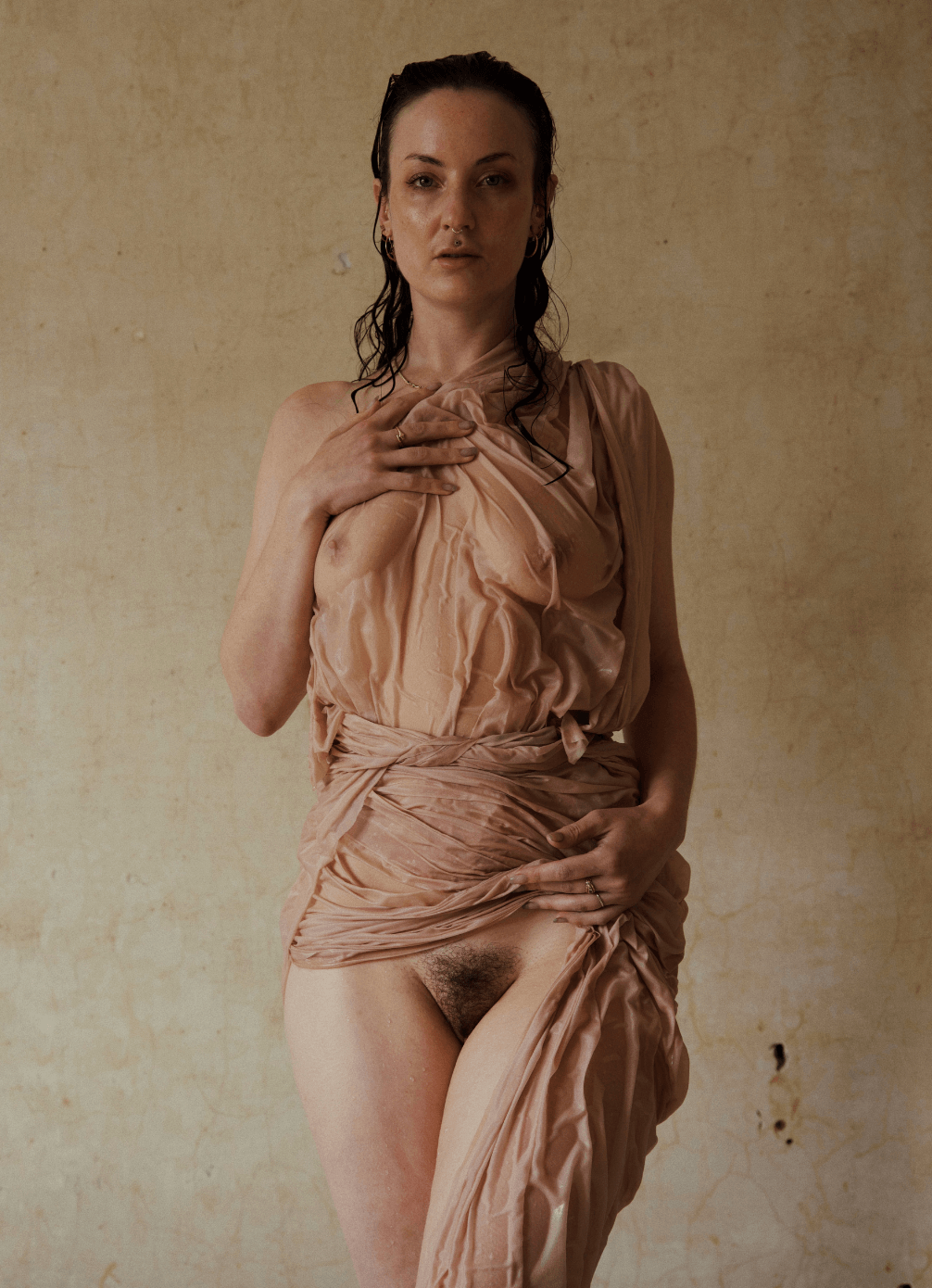
It would be easy to frame Vex Ashley as sexually liberated, fearless, free of shame. She resists that narrative.
“Sex is too vulnerable for that,” she says. “Porn doesn’t erase complexity.”
She entered the work with fearlessness, yes — but porn didn’t magically resolve insecurity or contradiction. It provided tools, not absolution. A context for exploration, alongside new tensions.
That refusal of mythology — the liberated porn performer, the healed artist — keeps her grounded. The work doesn’t promise freedom. It documents process.
Why Sex Still Feels Dangerous
Near the end of the conversation, the question turns outward. Why does sex still provoke so much fear?
“Because it’s deeply vulnerable,” Vex says. “It strips away the polite public self.”
She doesn’t argue for normalization. In fact, she resists it.
“I don’t want sex to be completely safe or neat. I want it to stay powerful. Messy. Dangerous.”
In that sense, the refusal to explain, simplify, or resolve sex is not apolitical — but it isn’t activist either. It’s a commitment to complexity in a culture that increasingly demands clarity.
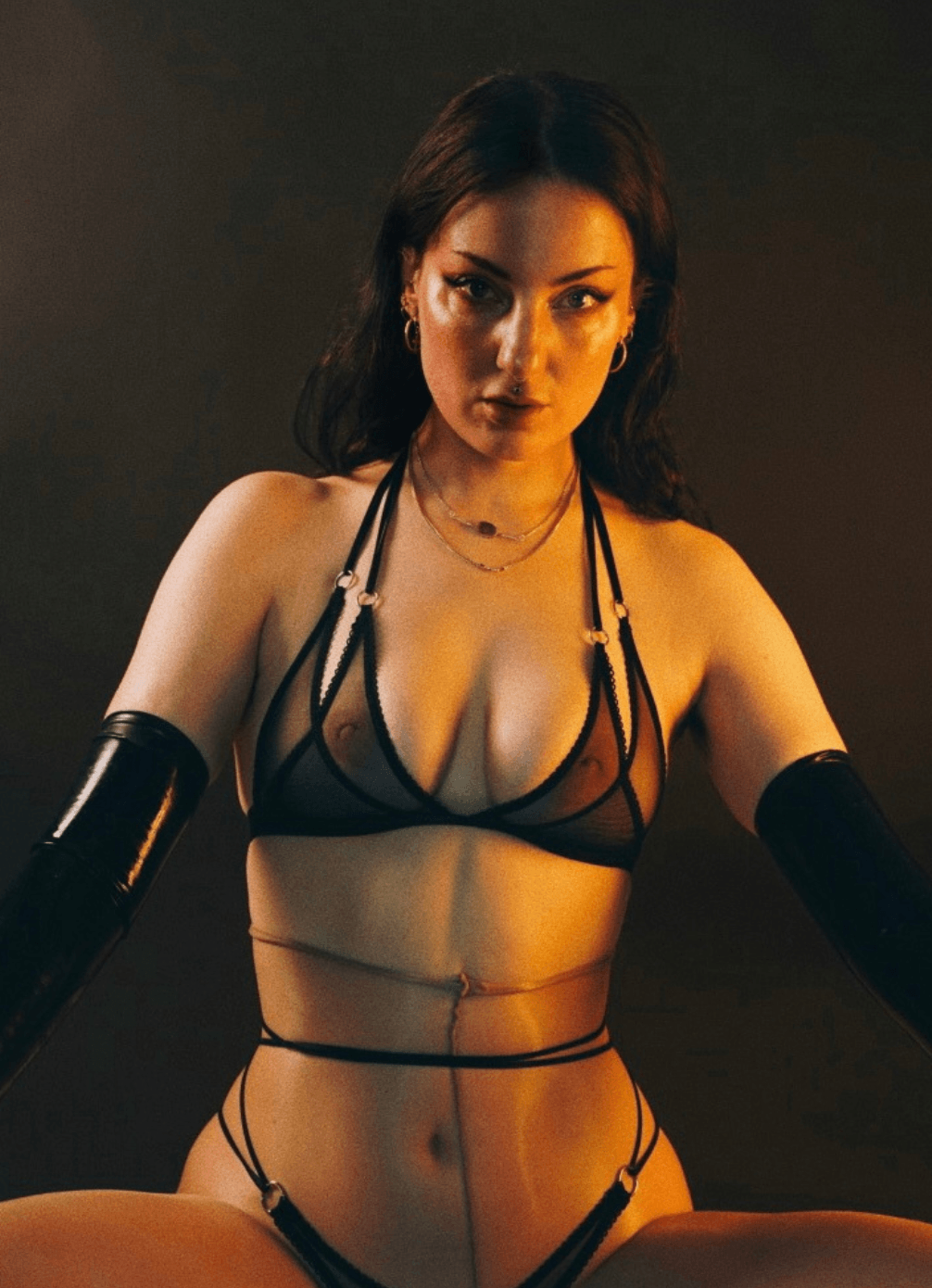
An Encounter, Not a Conclusion
Vex Ashley’s work doesn’t ask to be agreed with.
It doesn’t demand arousal.
It doesn’t promise understanding;
It asks something simpler and harder: attention.
In a media landscape obsessed with function, optimization, and legibility, her refusal to make sex useful might be the most unsettling gesture of all.
Check out some of their recent projects on their website and Instagram: Some Reddish Work, Echo Chamber, and the recent Barbican show.