From the beginning, it was clear: This film would show more than bodies. It would show how closeness emerges and what threatens it.
“Do you remember the lockdown?
When the emptied dancefloors longed for bodies?
Where were we supposed to go with our longing?
Where were we supposed to go with our desire?
Or our flesh?”
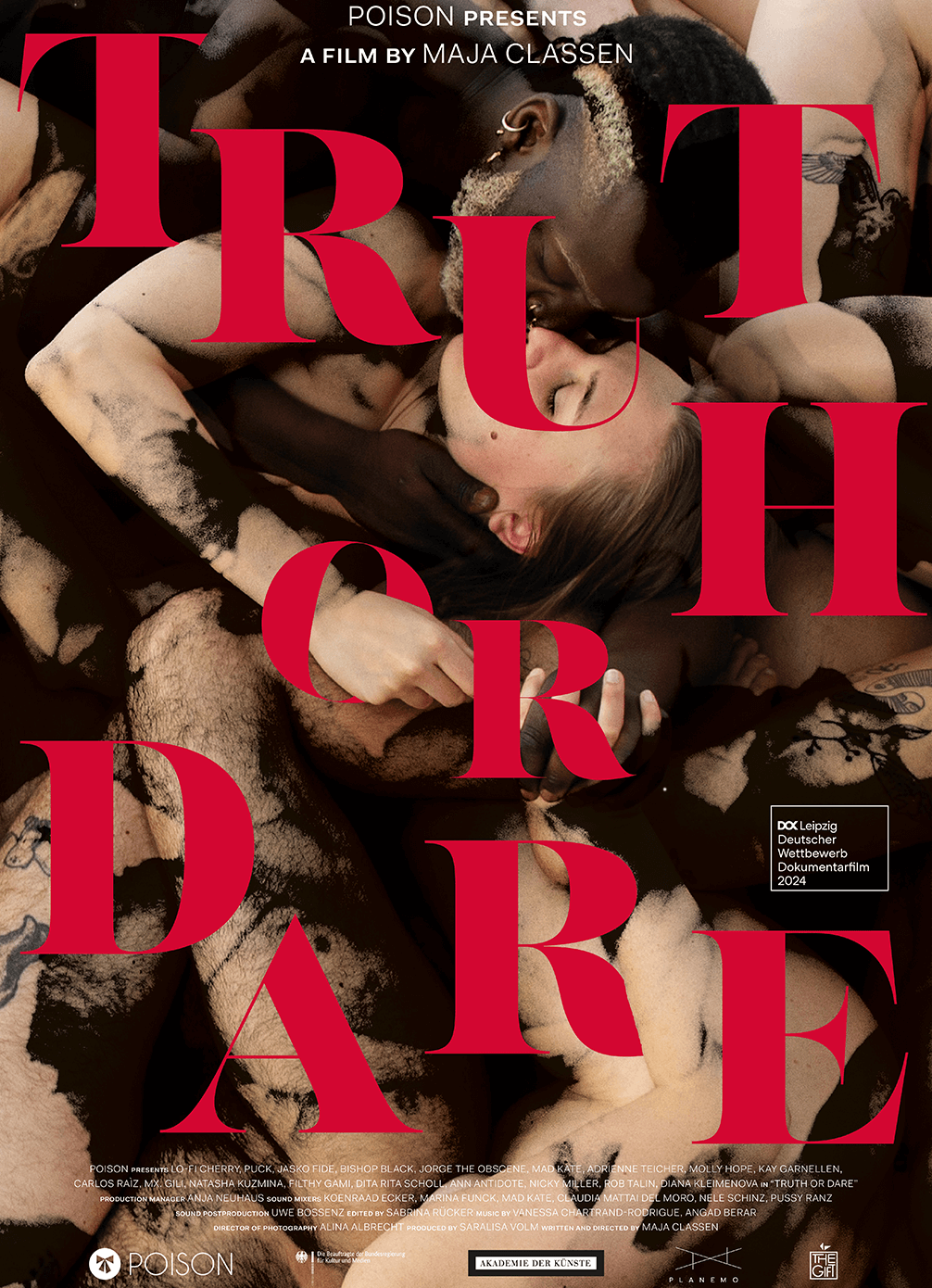
When director Maja Classen began working on the TRUTH OR DARE documentary during lockdown, Berlin was silent. The clubs were closed, the spaces for encounter had disappeared.
“I felt like there were bodies out there that were longing and spaces that longed for bodies,” she recalls. From this mutual emptiness, a film was born: a document about lust, loneliness, consent, and how people learn to talk about their sexuality.
Producer Saralisa Volm (POISON) remembers the beginning with a laugh that’s half amazement at herself:
“Sensible producers would have probably stopped the project because of the financing problems. But we kept going because it felt right. Because we knew this film touches something that nobody else shows.”
The story of this film is a typical Berlin story:
You have an idea that becomes bigger than yourself. And actually, it’s impossible to realize. Everyone advises against it. But because this idea won’t let you go, you push it forward, let it grow, against all resistance. And in the end, you create a project that changes our society and creates the future.
TRUTH OR DARE documentary is one of these Berlin ideas.
A Language for Desire: The TRUTH OR DARE Documentary
“What turns us on? What holds us back? How far can we go?”
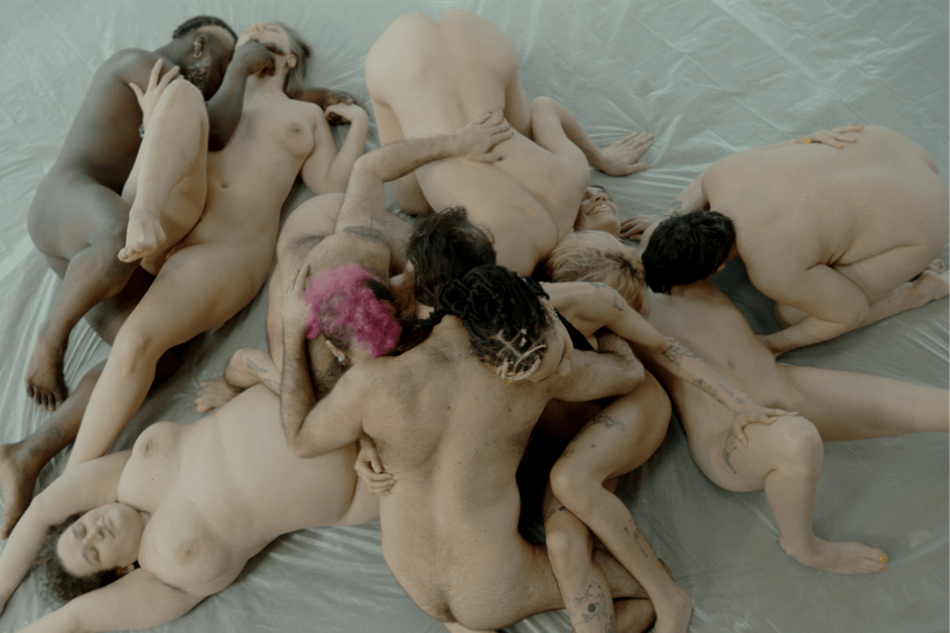
These questions run through the film like a rhythm. TRUTH OR DARE shows people meeting in their apartments, in daylight, not club light.
They talk, they hesitate, they touch each other. No spectacle, no pornography. Instead: closeness, uncertainty, honest desire.
Maja says: “I wanted to find out how sexuality feels when you don’t perform it, but experience it.”
She speaks of sex as a language that many have forgotten.
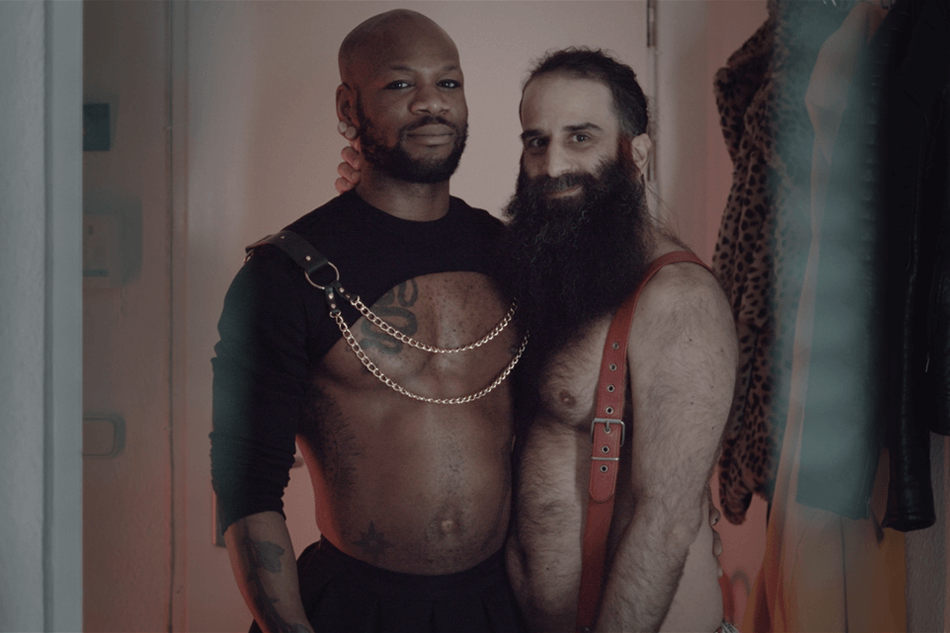
“We all have sex, but hardly anyone can talk about sex. The film shows people who can. And that changes something, even in those who just watch.”
The unique aspect: in these encounters, sex isn’t consumed but communicated. Every touch emerges from consent, every glance is negotiated. The film teaches that consent isn’t bureaucratic nodding, but a living dialogue. The “yes” that moves, that feels, that listens.
Consent as Ethics of Film Production
How do you show sexuality without exploiting it? How do you stay close without transgressing?
Maja and Saralisa decided not just to address these questions but to inscribe them into the process itself.
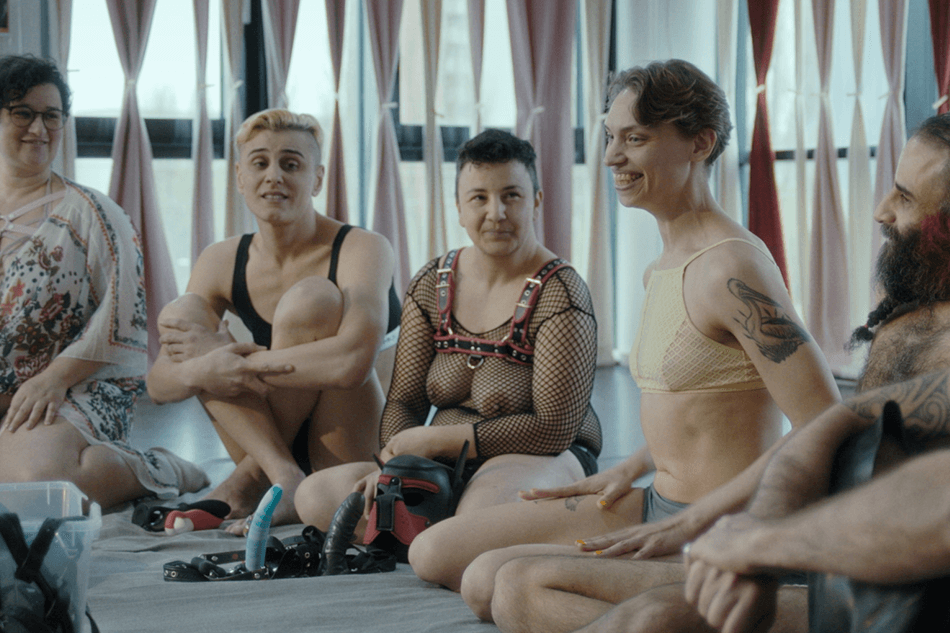
Before each scene, they had long conversations:
What boundaries apply? How close can the camera come? Who decides when to stop?
“At some point, I stopped directing,” Maja says about this.
“I wanted to see what happens when I give up control.”
The protagonists, many from Berlin’s queer, sex-positive scene, determined themselves what they wanted to show.
For some, it was the first time they could portray sexuality outside of pornographic codes. For others, it was a personal, intimate rediscovery: their own body, their own rhythm, without pressure to perform.
Saralisa tells BERLINABLE in an interview: “We lived the ethics we talk about. Every shot was a negotiation, every camera angle an act of trust.”
Is the TRUTH OR DARE Documentary Art or Porn?
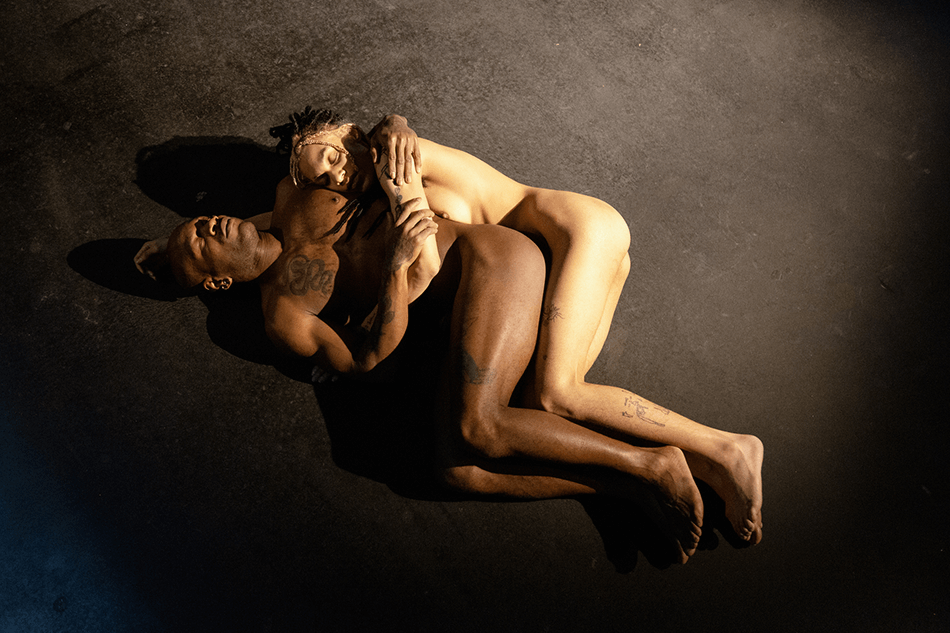
Nobody denies that the film is explicit. Naked bodies are clearly visible, sex happens. However, TRUTH OR DARE doesn’t aim for arousal. They aim for insight.
“Porn wants to see you cum. Our film wants you to feel why you want that,” says Maja.
With this, she touches on one of the oldest questions in feminist film history:
When does showing become objectification? When does making invisible become shame?
The TRUTH OR DARE documentary refuses the old dichotomy. Instead of “art or porn,” it chooses experience. The gaze remains at eye level, the camera is interested in skin, not flesh.
The visual language recalls the soft, honest photographs of the sex education book Make Love.
Real couples, real light, intimacy without staging. Maja adds: “I wanted images that are beautiful but not slick. I wanted people to be able to breathe while watching.”
Female Perspective on Lust & Power
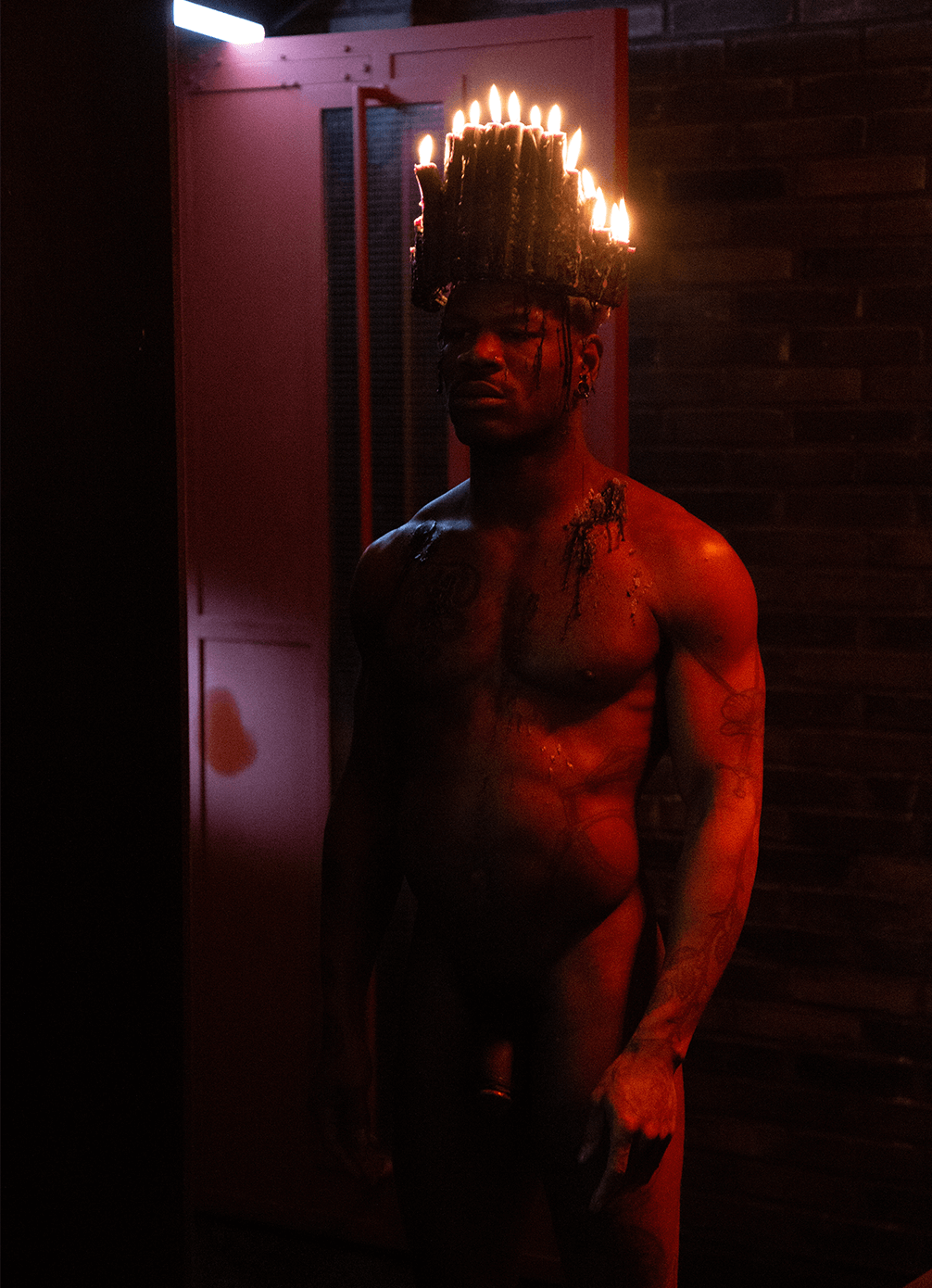
The fact that this film was made by two women is no accident. It’s a deliberate counter-design to the male history of desire in cinema. To that aesthetic where sex is mostly narrated as a power game.
“I think many men have never learned what tenderness is,” says Maja. “They confuse arousal with control. But one is the opposite of the other.”
Her words hit a nerve. Not just in the film, but in social discourse:
The inability to talk about feelings becomes political as soon as it leads to violence, shame, or silence.
Saralisa adds: “We wanted to show that lust isn’t antithetical to respect. That desire doesn’t break when you ask. On the contrary, it deepens.”
Thus, the TRUTH OR DARE documentry becomes a feminist statement: A film that doesn’t domesticate lust but liberates it. That treats female, queer, vulnerable gazes as equal, and thereby, repositions cinema itself.
TRUTH OR DARE Documentary Shows the Politics of Intimacy
But the film doesn’t stop at the private aspects. Classen and Volm speak openly about the culture war they’re navigating.
“We live in a time when queer visibility is being attacked again,” says Saralisa, “when people are afraid to walk across the street holding hands.”
TRUTH OR DARE is their answer to that:
Intimacy as a political act. Not with slogans, but with closeness. Not with provocation, but with courage for tenderness.
In Maja’s words: “When you see in cinema that two queer people meet lovingly and wildly, you realize: That’s not threatening at all. It’s human. And that changes something. Because empathy is always a political force.”
Between Festival and Resistance
After the screening at a major German documentary film festival, the halls were full, the discussions heated, and the feedback was deep. “Many viewers came to us after the screening and said they had thought about their own boundaries and desires for the first time,” Saralisa recounts.
In Lisbon, at a festival, visitors told them they had cried while watching. One called the film “therapeutic.”
“That’s the most beautiful thing that can happen,” Maja smiles. “When art opens conversations where there was silence before.”
Where can you see the film?
The film is running in German cinemas, including Babylon Kreuzberg, and is also being shown in Switzerland. International festivals — including in Canada and the USA — are currently reviewing the film. Museums have also shown interest in presenting TRUTH OR DARE as an artistic work.
Why This Film Matters
TRUTH OR DARE is a documentation of our time, about a scene and a society. It shows how sex positivity works when it’s more than Berlin club aesthetics: as an attitude, as a language, as ethics. It reminds us that eroticism doesn’t begin with exposure, but with consent. And that tenderness isn’t a luxury, but a cultural technique.
“We need films that teach us to listen,” says Maja at the end of the conversation. “Not just in bed. Everywhere.”
Credits Direction & Script: Maja Classen
Production: Saralisa Volm (POISON)
Rating: 18+
Genre: Artistic Documentary
The Cast: LoFi Cherry, Puck, Jasko Fide, Bishop Black, Jorge the Obscene, Mad Kate, Adrienne Teicher, Molly Hope, Kay Garnellen, Carlos Rais, MX. GILI, Natasha Kuzmina, Filthy Gami, Dita Rita Scholl, Ann Antidote, Nicky Miller, Rob Talin, Diana Kleimenova
Subscribe to Sex & Society – weekly insights on culture, politics, and desire, plus exclusive access to BERLINABLE’s curated stories.
Your sex life will thank you.